Culture and Heritage
Ottawa stands apart among North American capitals, shaped by layers of cultural complexity that extend far beyond its political role. This city’s identity emerges from the intersection of official bilingualism, preserved architectural heritage, world-class cultural institutions, and a calendar punctuated by festivals that reflect both national pride and deep Indigenous roots. Understanding these elements transforms a simple visit into a meaningful cultural experience.
For travelers seeking authentic cultural engagement, Ottawa presents a distinctive challenge and opportunity. The city operates simultaneously in English and French, its neighborhoods showcase architectural styles spanning centuries, and its museums hold collections of national significance. Meanwhile, seasonal rhythms dictate not just weather patterns but cultural programming, from winter festivals on frozen canals to summer celebrations of Indigenous culture. This article provides the foundational knowledge to navigate and appreciate these interconnected dimensions of Ottawa’s cultural landscape.
Bilingualism as Cultural Identity
Ottawa’s status as Canada’s capital places it at the epicenter of the country’s linguistic duality. Unlike cities where bilingualism is merely practical, here it carries legal, social, and cultural weight that shapes daily interactions and institutional frameworks.
The Legal and Social Framework
Federal institutions operate under language requirements that guarantee service in both official languages. This creates a cultural landscape where English and French coexist not as competing forces but as complementary aspects of civic identity. The nearby presence of Gatineau, a predominantly French-speaking city across the Ottawa River in Quebec, reinforces this duality daily. Approximately one-third of Ottawa’s population speaks French regularly, creating genuinely bilingual neighborhoods rather than separated linguistic enclaves.
The historical context matters: Ottawa’s selection as capital in the mid-19th century partially reflected its position bridging Upper and Lower Canada, English and French territories. This geographic compromise evolved into a cultural characteristic, where code-switching between languages occurs naturally in markets, museums, and casual conversations.
Navigating Daily Interactions
Service interactions reveal the practical application of bilingualism. Staff in tourist areas typically greet customers with “Hello, bonjour,” waiting for the response to determine which language to continue in. This isn’t performative but reflects genuine linguistic capacity. Understanding this protocol prevents common faux pas, such as assuming everyone prefers English or feeling embarrassed about limited French skills.
For meaningful language immersion, certain neighborhoods offer distinct experiences. The ByWard Market buzzes with both languages, while areas like Vanier lean more francophone. Museums provide an ideal environment for low-pressure language practice, with bilingual signage allowing self-paced learning and staff comfortable switching languages mid-conversation.
Architectural Heritage and Historic Neighborhoods
Ottawa’s residential architecture tells stories of settlement patterns, economic development, and aesthetic movements spanning more than a century. These aren’t museum pieces but living neighborhoods where heritage preservation meets contemporary urban life.
Architectural Styles and Materials
Distinctive neighborhoods showcase remarkably different architectural characters. The Glebe features early 20th-century homes with Arts and Crafts influences, characterized by wide porches, decorative brackets, and local limestone foundations. New Edinburgh, one of Ottawa’s oldest neighborhoods, displays Victorian-era workers’ cottages alongside grander homes, many built with pressed brick that has weathered to distinctive orange and red hues.
The materials themselves trace local history. Limestone quarried from the Rideau Canal construction found its way into countless foundations and accent walls. Red brick from local kilns became the dominant facade material by the late 1800s. Understanding these materials helps identify construction periods and appreciate the craftsmanship involved in maintaining the heritage aesthetic despite modern building code requirements.
Structural risks in heritage buildings often relate to foundation settling in Ottawa’s clay soil, outdated electrical systems, and the challenges of insulating century-old walls against harsh winters. For visitors, this context enriches appreciation of the effort required to preserve these neighborhoods rather than demolishing them for modern development.
Planning Your Walking Tour
Self-guided architectural tours reward some preparation. Focus on specific neighborhoods rather than trying to cover too much ground:
- Sandy Hill: University area with grand Victorian homes and early apartment buildings showcasing Edwardian elegance
- Hintonburg: Working-class heritage with modest brick cottages, now gentrifying while retaining character
- Rockcliffe Park: Diplomatic residences and estate homes demonstrating early suburban planning for the wealthy
- Centretown: Mixed-use heritage where commercial buildings integrate with residential structures from multiple eras
Spring and fall offer ideal walking conditions, with comfortable temperatures and foliage that either frames or reveals architectural details. Many heritage buildings display plaques identifying construction dates and original owners, providing historical context without requiring a formal tour guide.
Festivals and Major Cultural Events
Ottawa’s festival calendar rivals cities several times its size, with events that transform public spaces and reveal different facets of local culture. These aren’t tourist-oriented spectacles but genuine community celebrations that welcome visitors.
Experiencing Events Like a Local
Major festivals carry significant economic impact, attracting hundreds of thousands of visitors while serving as anchors for local pride. Winterlude transforms the Rideau Canal into the world’s largest skating rink, paired with ice sculptures and winter activities. The Canadian Tulip Festival celebrates Ottawa’s unique connection to the Netherlands with millions of blooms across the city. The Indigenous experiences during Summer Solstice Indigenous Festival showcase traditions often marginalized in mainstream cultural programming.
Locals approach these events strategically. They attend during weekday hours when possible, avoiding peak weekend crowds. They know which activities require advance tickets and which remain freely accessible. They understand that major festivals transform neighborhoods—ByWard Market during the festival season can see pedestrian traffic increase tenfold, changing the character of normally quiet streets.
Practical Festival Navigation
Festival passes offer varying value depending on your interests. Large-scale events like Bluesfest feature multi-day passes that pay off if you attend three or more days, but single-day tickets provide flexibility. Smaller festivals often remain free with optional paid premium experiences like guided tours or special access areas.
Weather preparedness matters profoundly in Ottawa’s climate. Winter festivals require understanding that temperatures can plunge below -20°C, demanding proper layering beyond typical tourist winter wear. Summer events face opposite challenges—July temperatures can reach 35°C with high humidity, making timing crucial. Morning and evening hours provide more comfortable conditions for outdoor festivals than midday peaks.
Entry timing optimization follows patterns. Arriving when gates open means smaller crowds but less atmosphere as venues build energy. The hour before headlining acts draws peak congestion. Mid-afternoon on multi-day festivals often offers the sweet spot of developed atmosphere without overwhelming crowds.
Seasonal Cultural Rhythms
Ottawa’s cultural calendar doesn’t simply accommodate seasons—it celebrates and structures around them, creating distinct visitor experiences depending on timing.
Indigenous Tourism and Winter Festivities
Understanding Indigenous tourism seasons enriches cultural engagement. Summer solstice holds particular significance, with programming that highlights Indigenous cultures through traditional practices, contemporary art, and educational experiences. The National Gallery and Canadian Museum of History schedule complementary Indigenous-focused exhibitions during these periods.
Winter festivities extend beyond Winterlude. The canal skating season typically runs from late December through early March, weather permitting, becoming a genuine transportation route for locals commuting to work on skates. This isn’t tourist performance but authentic winter culture adaptation. Nearby vendors sell beaver tails (a local pastry), and the scene captures Ottawa’s relationship with winter as something to embrace rather than merely endure.
Managing Seasonal Crowds
Seasonal crowd patterns create strategic planning opportunities. Summer brings peak tourism, with July and August seeing the highest visitor numbers and corresponding accommodation price spikes. Booking several months ahead becomes necessary for reasonable rates near downtown.
Shoulder seasons—May to early June and September to October—offer compelling alternatives. Major museums maintain full programming, outdoor sites remain accessible without harsh weather, and accommodation costs drop noticeably. Spring particularly appeals to architecture enthusiasts, as bare trees reveal building details obscured by summer foliage.
Winter tourism operates in two modes: festival periods when Winterlude draws crowds, and quiet periods when museums, galleries, and indoor cultural sites operate with minimal wait times. January and February outside festival weeks provide the most intimate museum experiences possible in a capital city.
National Museums and Gallery Spaces
Ottawa houses national-caliber cultural institutions that would anchor any city’s cultural landscape. Understanding their distinct focuses and optimal visit strategies maximizes their value.
The National Gallery of Canada
The building itself serves as an architectural landmark, with its glass and granite structure designed to echo the Parliament Library’s reading room visible in the distance. The permanent collection emphasizes Canadian and Indigenous art, with dedicated galleries providing context often missing in international museums where Indigenous works appear as anthropological curiosities rather than art.
The Indigenous art focus spans historical pieces through contemporary works, tracing artistic traditions while highlighting how Indigenous artists engage with modern mediums and themes. This collection alone justifies multiple visits, as rotating displays prevent seeing everything in a single afternoon.
Smaller galleries complement the National Gallery experience. The Ottawa Art Gallery (formerly known as the City of Ottawa Archives) focuses on regional artists and provides more intimate viewing conditions. Commercial galleries in ByWard Market and Hintonburg showcase emerging artists at accessible prices, offering purchasing opportunities beyond museum gift shops.
Admission cost optimization requires planning. The National Gallery offers free admission on certain evenings, while annual passes pay for themselves after three visits. The gallery café provides legitimate dining rather than typical museum food court fare, with views of Parliament Hill that justify the premium pricing.
Choosing the Right Museum
Ottawa’s national museums each serve distinct interests. The Canadian Museum of History features the Grand Hall, an architectural space showcasing Indigenous heritage through towering totem poles and traditional structures. This single room provides more Indigenous cultural context than many travelers encounter elsewhere in North America. The museum’s family-friendly design includes interactive elements and clear pathways optimized for children’s attention spans.
The Canadian War Museum and Canada Aviation and Space Museum appeal to specific interests. Military history enthusiasts find comprehensive coverage from early conflicts through contemporary peacekeeping, while aviation fans appreciate rare aircraft displayed with technical specifications. Comparing these helps target visit time efficiently—general visitors might spend two hours at each, while enthusiasts could easily invest full days.
Extra fees typically cover special exhibitions and IMAX presentations. Sequencing visit flow strategically means starting with permanent collections when you’re fresh, leaving special exhibitions for mid-visit when you want something different, and ending with interactive elements or museum shops when fatigue sets in.
Navigating with children requires understanding each museum’s strengths. The Museum of History excels for younger children with hands-on elements, while the Aviation Museum appeals to slightly older kids fascinated by machinery. The National Gallery can challenge children’s patience despite dedicated family programming, making shorter, focused visits more successful than attempting comprehensive coverage.
Ottawa’s culture and heritage landscape rewards curiosity and preparation in equal measure. The bilingual environment, preserved neighborhoods, world-class institutions, and seasonal cultural programming create layers of experience unavailable in conventional tourist destinations. Whether your interests lean toward linguistic immersion, architectural appreciation, museum exploration, or festival participation, understanding these foundational elements allows you to craft experiences aligned with your specific interests while appreciating the broader cultural context that makes Ottawa distinctive among North American capitals.
Which National Museum Should You Prioritize for a 3-Hour Visit?
Choosing the right Ottawa museum for a short visit is about strategy, not just subject matter. Your specific interest (e.g., engineering vs. Indigenous history) dictates a different museum and a unique path within it. Common mistakes, like buying a multi-museum…
Read more
How to Curate Your Visit to the National Gallery of Canada: An Afternoon Strategy
Facing the vast National Gallery of Canada on a tight schedule can feel more overwhelming than inspiring, but a strategic approach transforms the visit into a profound artistic journey. Focus on the chronological path through the Indigenous and Canadian galleries…
Read more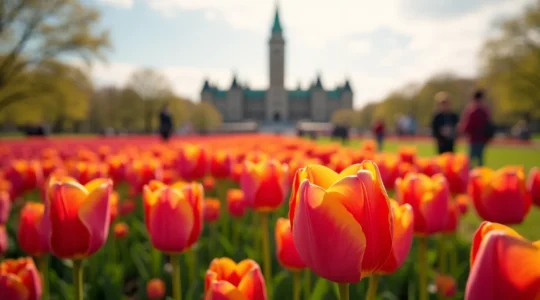
How to Time Your Visit to Catch Ottawa’s Peak Cultural Festivals
Timing your Ottawa trip isn’t about picking a date; it’s about choosing an experience and mastering the city’s unique rhythm. Festival seasons create specific “demand pressures” on hotels, especially in May (Tulip Festival) and July (Bluesfest). Strategic planning, like staying…
Read more
How to Attend Ottawa’s Major Festivals Without the Crowds?
The secret to enjoying Ottawa’s packed festivals isn’t avoiding people, but mastering the operational flow of the event. Your choice of neighborhood and transit method has a greater impact on your experience than the day you choose to go. Strategic…
Read more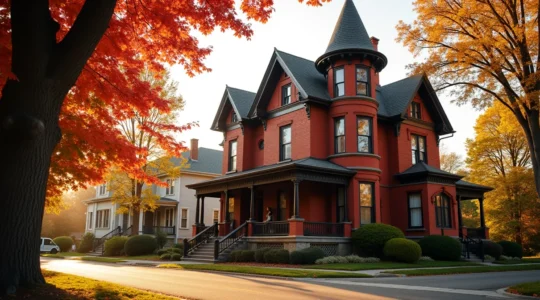
Why Do Ottawa’s Red Brick Homes Command Such High Market Value?
The high value of Ottawa’s red brick homes isn’t just about “character”; it’s a calculated financial premium driven by protected scarcity. Heritage designation acts as a value guarantee, preventing inconsistent development and preserving neighbourhood integrity. The original “Ottawa Red” brick…
Read more
Navigating Ottawa’s Bilingualism: An Anglophone’s Guide
Navigating Ottawa as an English speaker is less about knowing French and more about understanding the city’s unique social and legal layers of bilingualism. Service in French is a legal right in federal settings, a city policy for municipal services,…
Read more