Daily Life
Living in Ottawa means embracing a rhythm that few Canadian cities can replicate. The nation’s capital isn’t just a collection of government buildings and parliament tours—it’s a bilingual urban ecosystem where French and English cultures blend, clash, and coexist in daily interactions. From knowing which side of the river dictates your social etiquette to timing your grocery shopping around corn season, understanding these nuances transforms a simple visit into genuine local living.
Whether you’re settling in for a work term, an extended stay, or simply want to live like a resident rather than a tourist, mastering Ottawa’s daily rhythms requires insight into its social fabric, seasonal patterns, and community spaces. This means navigating the unspoken rules of bilingual conversations, finding the third places where real connections happen, and syncing your calendar with the harvest cycles that shape local food culture.
Navigating Ottawa’s Bilingual Social Landscape
Ottawa’s defining characteristic isn’t visible on any map—it’s the social duality that emerges when you cross the Ottawa River. On one bank, you’ll find predominantly English-speaking neighborhoods with their particular social codes; on the other, Gatineau offers a distinctly Québécois atmosphere where French dominates and cultural expectations shift.
Understanding Cross-River Social Etiquette
The bridges connecting Ottawa and Gatineau aren’t just physical infrastructure—they’re cultural thresholds. Starting a conversation in English at a Gatineau café might earn you polite service, but initiating with “Bonjour” demonstrates cultural awareness that locals notice and appreciate. Conversely, in Ottawa’s ByWard Market, you’ll find bilingual service is expected, but English often leads. Think of it as code-switching made geographic: your social approach should adapt to which side of the river you’re on.
Common misunderstandings arise from assuming one approach works everywhere. A direct communication style typical in anglophone professional settings can feel abrupt in Gatineau’s more relationship-focused social spaces. Meanwhile, the elaborate greeting rituals common in Québécois culture might seem excessive in Ottawa’s more reserved English neighborhoods.
Optimizing Nightlife and Social Timing
Nightlife rhythms differ noticeably across the river. Ottawa’s entertainment districts tend toward earlier starts and endings, with many venues winding down by midnight on weeknights. Gatineau’s bars and clubs follow Québec’s later-night culture, where 11 PM is when things begin, not when they end. The practical implication? If you’re planning a night out, your location choice determines your schedule more than the day of the week.
Social timing extends beyond nightlife. Coffee meetings in Ottawa typically happen during the workday—7 AM breakfast meetings are common in government circles. In Gatineau, café culture leans toward longer, more leisurely gatherings where rushing through your café au lait would miss the point entirely.
Beyond the Government Town Stereotype: Urban Life and Entertainment
Ottawa suffers from an outdated reputation as a sleepy government town where ambition goes to retire into stable pension plans. This perception couldn’t be further from current reality, but it persists partly because the city’s most vibrant offerings require insider knowledge to access.
Finding Underground and Alternative Events
The city’s contemporary cultural scene operates largely outside official tourism channels. Warehouse events in Hintonburg, indie music venues in Westboro, and pop-up art galleries in Mechanicsville don’t advertise on Parliament Hill billboards. Local event discovery happens through community boards in cafés, neighborhood Facebook groups, and word-of-mouth networks built in third places.
The key distinction between tourist traps and authentic experiences often comes down to timing and location. A Saturday afternoon in ByWard Market means navigating crowds and inflated prices. The same market on a Wednesday morning offers genuine interactions with vendors, better produce selection, and the unhurried pace that defines actual daily life.
Comparing Lifestyle Districts
Each Ottawa neighborhood cultivates its own rhythm and demographic. The Glebe attracts young families and established professionals seeking walkability and boutique shopping. Hintonburg and Wellington West draw a younger, arts-oriented crowd where breweries and vintage shops dominate. Centretown offers urban density and LGBTQ+ community spaces. Understanding these distinctions helps you optimize your weekend schedule—trying to find late-night energy in the Glebe or family-friendly parks in Centretown means fighting against each area’s natural character.
Building Community in Third Places
Ray Oldenburg’s concept of “third places”—social environments separate from home and work—takes on particular importance in Ottawa, where government employment can make professional networks feel limiting and transient populations struggle to build lasting connections.
The Role of Café Culture
Ottawa’s independent café scene functions as crucial community infrastructure. Unlike chain coffee shops designed for rapid turnover, places like Bridgehead locations, Art-Is-In Bakery, or Morning Owl position themselves as neighborhood living rooms. These spaces tolerate laptop workers during slow hours but cultivate regular customers through consistent quality and staff who remember your order.
The unspoken etiquette: during peak hours (7-9 AM, 12-1 PM), lingering over a single coffee while occupying a four-person table violates community norms. Off-peak hours offer more flexibility, and many cafés explicitly welcome longer stays once the rush subsides.
Finding Interest-Based Groups
Beyond cafés, Ottawa’s community connection happens through activity-based groups that sidestep the forced socialization of networking events. The city supports thriving recreational sports leagues (Ottawa Sport and Social Club), maker spaces (Artengine), language exchange meetups, and volunteer organizations that provide natural contexts for repeated interactions—the foundation of genuine friendship.
Avoiding clique-heavy spots requires recognizing the difference between established groups and welcoming communities. A running club that’s operated for fifteen years with the same core members might prove difficult to penetrate. Newer organizations or those explicitly structured for rotating participants (like community gardens with seasonal plots) offer easier entry points.
Outdoor Dining and Public Spaces
Ottawa’s short but intense summer season creates an urgency around outdoor activities that visitors might find surprising. Locals don’t just enjoy patios and parks—they maximize every possible outdoor hour knowing winter’s isolation approaches.
Organizing Spontaneous Outdoor Meals
The city’s abundant public spaces—Major’s Hill Park, Commissioners Park, Mooney’s Bay—welcome picnicking, but success requires understanding both legal frameworks and practical logistics. Ontario’s regulations permit alcohol consumption in parks only during specific hours and with food present, a rule enforced inconsistently but worth respecting. Parks within Gatineau (under Québec jurisdiction) follow different rules, generally more permissive but still requiring discretion.
Efficient packing for outdoor dining means accounting for Ottawa’s evening temperature drops—even mid-summer nights can cool rapidly once the sun sets behind the Gatineau Hills. Locals layer clothing and pack accordingly, knowing that the perfect sunset spot at Nepean Point might be ten degrees cooler than your downtown starting location.
Selecting Optimal Locations
Sunset viewing quality varies dramatically by location and season. Westboro Beach faces west for direct sunset views but attracts crowds on summer weekends. Hog’s Back Falls offers dramatic scenery with fewer people but requires navigating limited parking. The Arboretum provides vast space and varied landscapes yet closes at dusk, requiring precise timing.
Pest interruptions—primarily mosquitoes from late May through August—can derail outdoor plans. Standing water from spring flooding creates ideal breeding conditions, making some riverside locations unbearable without repellent. Locals know that breezy spots (the Ottawa River shoreline) suffer less than sheltered valleys (Mer Bleue Bog trails).
Seasonal Eating and Local Food Culture
Ottawa’s food culture revolves around pronounced seasonal availability that shapes shopping patterns, menu offerings, and social traditions. The region’s short growing season creates intense windows when specific produce defines local eating.
Understanding Harvest Calendars
Corn season in the Ottawa Valley—typically late July through early September—isn’t just about availability; it’s a cultural moment. Farm stands appear along rural routes, grocery stores feature local varieties, and the difference in flavor between Ontario corn and imported alternatives becomes undeniable. Locals stock their freezers with dozens of cobs, blanched and frozen, extending the season through winter months.
Similarly, apple season from late August through October transforms the region. Orchards within an hour’s drive—Cannamore Orchard, Proulx Berry Farm, Saunders Farm—offer pick-your-own operations where families spend entire afternoons. Knowing the characteristics of different varieties matters: McIntosh for immediate eating and sauce, Cortland for pies, Honeycrisp for storage (though these are prone to storage rot without proper cool, humid conditions).
Optimizing Freezer Stock and Storage
The local food preservation culture reflects both practical necessity and cultural heritage. When produce appears in bulk at peak season—asparagus in May, strawberries in June, tomatoes in August—prices drop dramatically. Purchasing in volume requires knowledge of preservation techniques: blanching vegetables before freezing, proper storage temperatures to prevent rot, and rotation systems to use older stock first.
Many Ottawa residents maintain deep freezers specifically for seasonal stockpiling, a practice that seems excessive until you’re eating locally-grown tomato sauce in February while grocery stores offer pale imports at premium prices. This approach to food connects directly to the region’s agricultural heritage and represents a form of daily life that distinguishes Ottawa from more temperate cities where year-round availability erases seasonal consciousness.
Mastering daily life in Ottawa means recognizing these rhythms—cultural, seasonal, and social—that operate beneath the city’s official identity. The bilingual navigation, the seasonal food cycles, the third places where community actually forms: these elements create a living experience far richer than any tourist itinerary could capture. Understanding them transforms Ottawa from a city you visit into a place you genuinely inhabit.
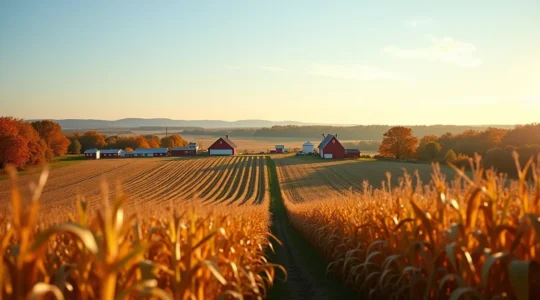
How to Follow the Ottawa Valley Harvest Calendar for Best Flavor?
In summary: True seasonal eating in Ottawa goes beyond a simple calendar; it’s about understanding the “why” behind the “when” for peak flavor. Early July “local” corn is often a myth; authentic Ottawa Valley sweet corn hits its sugar peak…
Read more
How to Plan the Perfect Ottawa After-Work Picnic Before Sunset?
The secret to a flawless spontaneous picnic in Ottawa isn’t finding the perfect view; it’s mastering the logistics of speed and scarcity after 5 PM. Legal alcohol consumption is now possible in specific parks, but requires knowing the strict rules…
Read more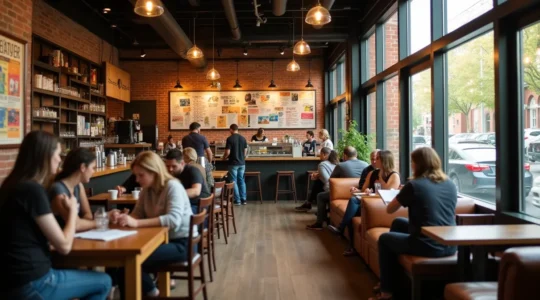
Finding Your People: The Best “Third Places” for Meeting Locals in Ottawa
In summary: Feeling disconnected is common, but Ottawa is rich with “third places”—social hubs outside of home and work—that foster community. Success isn’t about knowing *where* to go, but *how* to engage. Use activities like board games or trivia as…
Read more
Beyond the Hill: How to Find Ottawa’s Real Creative Scene
Ottawa’s creative scene isn’t boring; it’s decentralized and you’re looking in the wrong places. The city’s “boring” reputation creates a unique pressure that forces artists to build a vibrant, self-sufficient culture from the ground up. Authentic creativity thrives in a…
Read more
How to Immerse Yourself in Ottawa’s Bilingual Social Scene?
Many believe navigating Ottawa’s bilingualism is about mastering French and English separately. The reality is more nuanced. True social immersion comes from understanding the unspoken ‘social grammar’ of how and why locals blend languages. This guide reveals that the key…
Read more