Food and Wine
Ottawa’s food and wine scene has evolved far beyond its government-town reputation. The city’s unique position straddling two provinces, coupled with its agricultural hinterland and growing cultural diversity, has created a culinary landscape where traditional Canadian foodways meet innovative dining experiences. From producer-run farmers markets to award-winning craft breweries, from historic sugar shacks to contemporary wine bars showcasing Ontario and Quebec vintages, the capital offers food enthusiasts a distinctly Canadian gastronomic journey.
Understanding Ottawa’s food culture means appreciating its seasonal rhythms—the spring maple harvest, summer patio season, autumn harvest markets, and winter comfort foods. Whether you’re navigating ByWard Market’s maze of vendors, planning a fine dining reservation in Westboro, or exploring the craft beverage boom across both sides of the river, this comprehensive resource will equip you with the practical knowledge and cultural context to fully experience what makes Ottawa’s food and wine scene uniquely compelling.
Exploring Ottawa’s Local Food Markets
Farmers markets in Ottawa operate under a philosophy quite different from tourist-oriented street markets. Understanding the “producer-only” rule that governs many of these spaces is essential for appreciating what you’re buying and supporting.
The Producer-Only Philosophy and What It Means
Several Ottawa markets, particularly those affiliated with Farmers Markets Ontario, require vendors to sell only products they’ve grown, raised, or created themselves. This means the person selling you heirloom tomatoes actually planted those seeds. This direct connection ensures freshness, traceability, and fair compensation for small-scale producers. However, it also means selection varies dramatically with seasons—you won’t find strawberries in November, no matter how much you’re willing to pay.
Navigating Market Logistics and Timing
Arriving at the right time makes an enormous difference. Early birds at markets like Parkdale or Lansdowne get first pick of limited-quantity items like heritage breed eggs or artisan cheese, but late arrivals often benefit from price reductions as vendors prefer selling out to packing up. Most markets operate seasonally from May through October, with limited winter editions. The ByWard Market’s permanent structure offers year-round access, though outdoor vendor numbers shrink considerably once temperatures drop.
Practical logistics matter: bring reusable bags, small bills (many vendors can’t break large denominations), and insulated coolers if you’re buying perishables before other errands. Many producers now accept card payments via mobile readers, but cash remains king at smaller stands.
Comparing Market Personalities Across the City
Each market has its own character. ByWard Market blends tourist appeal with genuine local vendors—you’ll find both overpriced souvenirs and excellent produce if you know where to look. Parkdale Market in Hintonburg attracts a younger, food-savvy crowd with its emphasis on organic vegetables and prepared foods. Lansdowne’s Farmers Market offers ample parking and a family-friendly atmosphere. The Carp Farmers Market, slightly outside the city, provides the most authentic rural Ontario experience, with serious vegetable gardeners and hobby farmers selling truly seasonal produce.
Neighbourhood Dining and Restaurant Districts
Ottawa’s dining scene has decentralized considerably, with distinctive foodie neighbourhoods developing their own culinary identities beyond the obvious downtown tourist corridors.
Discovering Neighbourhood Specialties
Westboro Village has become synonymous with brunch culture and upscale casual dining, where parents with strollers line up outside contemporary bistros on weekend mornings. Wellington West (Hintonburg) leans younger and more experimental, with chef-driven small plates restaurants and fusion concepts. The Glebe maintains its reputation for established institutions—places that have fed Ottawa families for generations. Preston Street’s “Little Italy” continues to offer traditional Italian-Canadian dining, though the neighbourhood has diversified with Vietnamese and other cuisines. Elgin Street balances pre-theatre dining with late-night spots catering to the downtown crowd.
Practical Considerations: Parking and Reservations
Parking availability varies dramatically by neighbourhood. Westboro and the Glebe offer street parking but expect to circle during peak hours. Wellington West has better lot availability but fills quickly on weekends. The smartest approach for a restaurant crawl is using OC Transpo or ride-sharing services, particularly if you’re planning to enjoy wine pairings. Many Ottawa restaurants now use online reservation systems, and for popular spots on Friday or Saturday evenings, booking at least a week ahead is prudent. Walk-in bar seating often remains available even when dining rooms are fully booked.
Fine Dining and Upscale Culinary Experiences
Ottawa’s fine dining establishments have increasingly embraced the farm-to-table philosophy, building relationships with producers in the Ottawa Valley and Eastern Ontario to showcase regional ingredients at their peak.
Understanding Local Sourcing and Seasonal Menus
When a menu lists “Ferme Riel asparagus” or “Mariposa Farm duck,” these aren’t just marketing flourishes—they represent actual partnerships with specific producers. Many upscale restaurants change menus monthly or even weekly to reflect harvest cycles. This means your favourite spring dish featuring ramps and morels won’t appear in autumn, but you’ll encounter squash preparations and game meats instead. This seasonal discipline demonstrates a kitchen’s commitment to quality over convenience.
Navigating Wine Pairings and Beverage Programs
Ontario’s VQA wines feature prominently on better wine lists, with Niagara and Prince Edward County bottles often offered by the glass. Quebec cidre de glace (ice cider) appears on dessert menus. Wine pairing menus typically run five to seven courses with carefully matched half-pours. If you prefer red wines exclusively, mention this when ordering a pairing—sommeiliers can usually accommodate, though they’ll gently encourage you to try at least one white or rosé that complements a particular course.
Dress Codes and Reservation Windows
Ottawa’s fine dining scene isn’t overly formal by international standards, but smart casual is the baseline—no shorts or athletic wear. Jackets are rarely required except at the most traditional establishments. For restaurants requiring reservations weeks in advance, many release a portion of tables exactly 30 days out at midnight or early morning. Setting an alarm to book at this “reservation window” significantly improves your chances at the most sought-after spots.
Sugar Shack Tradition and Maple Culture
The sugar bush experience represents one of Eastern Ontario’s most authentic culinary traditions, typically running from late February through April when freeze-thaw cycles trigger sap flow in sugar maples.
Understanding the Sap Run and Timing Your Visit
Maple sap flows when nighttime temperatures drop below freezing and daytime temperatures rise above. This pressure change forces sap upward, allowing it to be collected through taps. The season’s timing varies annually depending on weather, but mid-March typically offers the sweet spot—sufficient sap production, manageable mud conditions, and the festive atmosphere before spring fatigue sets in. Calling ahead to confirm a sugar shack is “running” prevents wasted trips during warm spells when sap flow pauses.
The Traditional Meal Protocol
A cabane à sucre (sugar shack) meal follows a distinctive format: all-you-can-eat family-style service of traditional Québécois foods heavy on pork (tourtière, ham, oreilles de crisse/fried pork rinds), eggs, beans, and pancakes, all liberally doused with fresh maple syrup. Vegetarian options are traditionally scarce, though some progressive sugar shacks now accommodate dietary restrictions. The meal culminates in “tire sur la neige”—hot maple taffy poured onto clean snow and rolled onto popsicle sticks. Pace yourself; it’s a marathon, not a sprint, and the portions are genuinely unlimited.
Navigating the Mud and Practical Realities
Sugar shacks occupy working forests, and spring thaw means mud—lots of it. Waterproof boots are non-negotiable. Many operations provide tractor-pulled wagon rides through the sugar bush, which are charming but cold; dress in layers. The combination of wood stove heat inside and freezing temperatures outside creates a temperature management challenge. Sugar shacks book up weeks ahead, particularly on weekends, and most require deposits. Many are BYOB for adult beverages, though some have licenses.
Maple Products, Souvenirs, and the Grade System
Maple syrup makes an ideal Ottawa souvenir, but understanding grading prevents disappointment and ensures you get appropriate products for different uses.
Canada’s maple syrup grading system categorizes by colour and flavour intensity: Golden (delicate taste), Amber (rich taste), Dark (robust taste), and Very Dark (strong taste). Golden syrup, produced early in the season, works beautifully drizzled over yogurt or subtle desserts. Dark and Very Dark grades, from later in the season, stand up to cooking and baking. The old “Grade A” vs “Grade B” terminology is obsolete—all retail syrup meets Grade A standards; the colour classifications indicate flavour profile, not quality.
For air travel, syrup must go in checked baggage as it exceeds liquid limits. Buy from actual sugar shacks or farmers markets rather than airport shops to avoid significant markups. Unopened maple syrup has an effectively unlimited shelf life. Once opened, refrigerate it and watch for mold (which appears on the surface—if it occurs, you can remove it and boil the syrup to sterilize it). Beyond syrup, consider maple butter (creamed syrup with a spreadable consistency), maple sugar, or maple-glazed nuts. Verify “pure maple” labeling—”maple-flavoured” products contain little actual maple.
Festival and Street Food Culture
Ottawa’s festival calendar brings distinctive food opportunities, from Winterlude’s Snowflake Kingdom to the summer festivals along the canal and Sparks Street.
Festival food vendors in Ottawa reflect the city’s multiculturalism: BeaverTails (the iconic fried dough pastry), poutine variations, shawarma (Ottawa has an exceptional shawarma scene), Jamaican patties, and increasingly diverse options from food trucks representing Vietnamese, Filipino, Ethiopian, and other cuisines. Understanding portion sizes helps optimize your tasting strategy—many items are large enough to split, allowing you to sample more varieties.
For those with dietary restrictions, the landscape has improved considerably. Most festivals now require vendors to clearly label allergens, and dedicated vegetarian/vegan vendors are increasingly common. However, cross-contamination remains a concern at busy grills and fryers. For serious allergies, speaking directly with the cook rather than front-of-house staff provides better information.
The sharing strategy works particularly well at festivals: go with a group, buy different items, and portion them out. This approach maximizes variety while managing the richness factor—festival foods tend toward the indulgent end of the spectrum. Setting a budget before arriving prevents overspending in the moment when everything looks (and smells) appealing.
Craft Beverages: Breweries, Wineries, and Cideries
Ottawa’s craft beverage scene has exploded in recent years, with new breweries, cideries, and even urban wineries establishing themselves across the city and Gatineau.
The Local Brewing Scene and Beer Culture
Ottawa-Gatineau now hosts dozens of craft breweries, from nanobreweries producing experimental small batches to established operations with wide distribution. The IPA (India Pale Ale) trend dominates tap lists, with local breweries competing to create the haziest, juiciest, or most intensely hopped versions. However, the scene is diversifying into sours, saisons, lagers, and stouts. “Patio season”—that glorious period from May through September when outdoor drinking becomes Ottawa’s favourite pastime—drives brewery culture. Many breweries host food trucks rather than operating full kitchens, creating symbiotic relationships with mobile food vendors.
Brewery flights (samplers of 4-6 small pours) let you explore a brewery’s range without committing to full pints. Be aware that many craft beers exceed 6-7% ABV, with some imperial stouts and double IPAs reaching 10% or higher. What seems like casual afternoon drinking can sneak up on you. Using ride-sharing, designated drivers, or OC Transpo is essential—impaired driving laws in Ontario are strict, with consequences beginning at 0.05% BAC.
Regional Wines and the Cold Climate Advantage
While Ottawa itself has limited grape-growing (the climate is marginal), the city sits between two significant wine regions: Prince Edward County to the southwest and various Quebec vineyards to the north and east. Cold-climate grapes like Riesling, Chardonnay, Pinot Noir, and hybrid varieties (Vidal, Frontenac) thrive in these regions, producing wines with bright acidity and distinct minerality.
Several Ottawa wine bars and bottle shops specialize in Ontario and Quebec wines, offering opportunities to explore regional expressions without traveling to wine country. Prince Edward County’s limestone terroir produces particularly compelling wines that rival international cool-climate regions. When ordering wine at restaurants, asking for local recommendations often yields interesting discoveries at better value than imported bottles.
The Cider Renaissance
Ontario and Quebec’s apple-growing heritage has sparked a cider renaissance. Beyond basic mass-market ciders, seek out small-batch producers creating traditional dry ciders, single-varietal expressions, and ice ciders (cidre de glace)—a uniquely Quebec product made from naturally frozen apples, resulting in an intensely sweet, complex dessert beverage. Cider’s lower alcohol content (typically 5-7%) and gluten-free nature make it appealing to those who find beer heavy or wine too formal.
Ottawa’s food and wine landscape rewards curiosity and seasonal awareness. The city’s culinary identity emerges from its specific geography—between provinces, between urban and rural, between French and English traditions—creating a food culture that’s distinctly its own. Whether you’re comparing neighbourhood restaurants, timing your sugar shack visit, or building a tasting route through local breweries, understanding these practical details and cultural contexts transforms eating and drinking from mere sustenance into genuine cultural engagement with Canada’s capital.

How to Find and Appreciate Quality Wines Produced in the Ottawa Valley
In summary: The Ottawa Valley’s unique taste comes from its “cold-climate signature,” defined by resilient, cold-hardy grape varieties like Frontenac and Marquette. Distinguishing local craft cider from mass-market options involves checking for estate-grown apples, lower sugar content, and unfiltered production…
Read more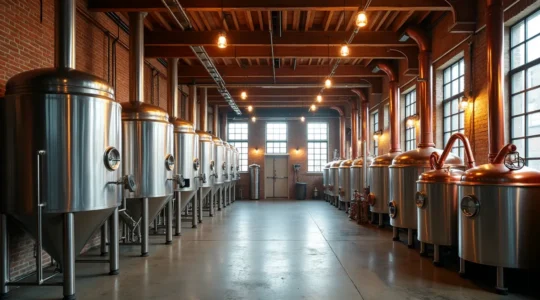
Which Ottawa Microbrewery Offers the Best Behind-the-Scenes Tour?
The best brewery tour isn’t about finding the ‘best’ beer, but understanding the operational choices that make each brewery unique. A brewery’s most interesting beers are often taproom-exclusives due to Ontario’s complex distribution and licensing laws. The ideal tasting order…
Read more
How to Plan a Craft Beer Crawl in Ottawa’s “Brewery Belt”?
In summary: A successful Ottawa beer crawl focuses on strategic neighbourhood clusters, with Hintonburg serving as the core “Brewery Belt” due to its high density of breweries. Mastering “palate pacing” by starting with lower ABV beers and strategically ordering food…
Read more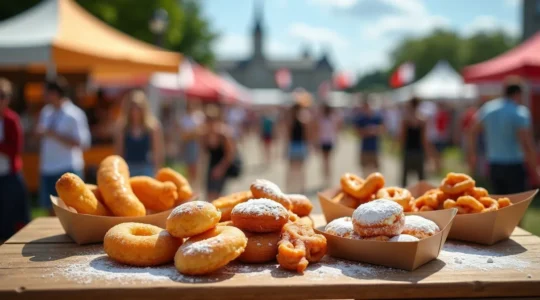
Where to Find the Best International Fried Dough at Ottawa Festivals?
In summary: Ottawa’s festival scene offers a world of fried dough beyond the iconic BeaverTail, including Greek loukoumades, Spanish churros, and North American funnel cakes. Success lies in strategy: knowing which festivals specialize in which treats, understanding the “Crunch Factor”…
Read more
How to Eat a BeaverTail Like a Local: The Ultimate No-Mess Guide
In summary: Choose your flavour strategically: “dry” toppings like the classic Killaloe Sunrise (cinnamon and lemon) are far less messy than “wet” ones like chocolate hazelnut. Master the “one-glove-off” technique combined with a “napkin-sleeve” to keep your hands warm and…
Read more
How to Identify High-Quality Maple Syrup Grades for Gifts?
The best maple syrup souvenir isn’t the one in the prettiest bottle; it’s the one you choose with purpose, understanding its flavour profile and provenance. Syrup grades (Golden, Amber, Dark) are not quality levels but flavour profiles, each suited for…
Read more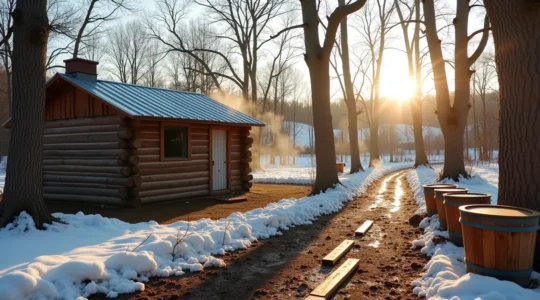
How to Choose an Authentic Sugar Shack Experience Near Ottawa?
To avoid a generic tourist experience, the key to an authentic sugar shack visit is to embrace the traditional rhythms, from how you eat the meal to how you walk the grounds. Prioritize heritage dishes like tourtière and oreilles de…
Read more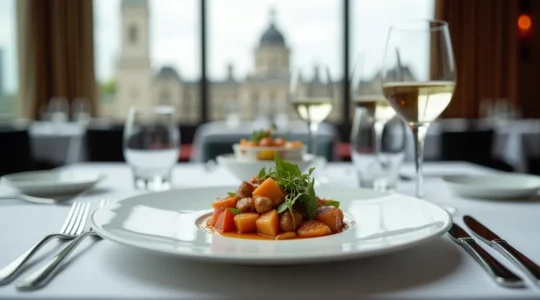
An Insider’s Guide to Ottawa’s Best Tasting Menus for a Perfect Anniversary
The key to an unforgettable anniversary dinner in Ottawa lies not just in choosing a restaurant, but in understanding the story behind the menu. Ottawa’s top chefs leverage a unique “terroir-driven narrative,” sourcing directly from the Greenbelt and highlighting distinct…
Read more
How to Find the Best Restaurants in Ottawa Beyond the ByWard Market
In summary: To truly eat like a local in Ottawa, you must master the unique “dining rhythm” of each neighbourhood beyond the ByWard Market. Success depends on strategy: knowing when to arrive in Hintonburg, how to park in Chinatown, and…
Read more
How to Eat Your Way Through ByWard Market Without Falling into Tourist Traps?
In summary: Navigate the market strategically by understanding its history and layout, not just following the crowds. Identify authentic vendors, like the original Obama Cookie bakery, by looking for specific historical markers. Save time and money by knowing when to…
Read more