Health and Wellness
Ottawa’s distinctive character as Canada’s capital extends far beyond its political significance. The city’s extreme seasonal variations—from humid summers exceeding 30°C to winters plunging below -30°C—create unique health and wellness considerations for travelers. Whether you’re visiting for a weekend conference, an extended work assignment, or exploring the region’s natural beauty, maintaining your physical and mental wellbeing requires understanding how to work with, rather than against, this dynamic environment.
This comprehensive resource connects the dots between Ottawa’s seasonal realities, its healthcare infrastructure, abundant green spaces, and thriving wellness community. From navigating the local clinic system to finding silence along the Rideau Canal, from preventing vitamin D deficiency during long winters to accessing spa therapy efficiently, you’ll discover practical strategies for keeping health and wellness at the center of your travel experience in the National Capital Region.
Embracing Seasonal Physical Activity in Ottawa’s Climate
The Ottawa region’s dramatic seasonal shifts demand a flexible approach to staying active. Rather than viewing winter’s arrival as a barrier to fitness, locals and informed travelers alike treat it as an opportunity to diversify their physical practice.
Adapting to Extreme Temperature Variations
Temperature swings of more than 60 degrees Celsius between January and July require strategic gear selection and activity modification. During summer months, early morning or evening activities help avoid peak heat and humidity. Winter demands layering systems that manage moisture while providing insulation—a lesson learned quickly when attempting outdoor activities along the Ottawa River Pathway or in Gatineau Park.
Understanding cold exposure benefits becomes particularly relevant here. Controlled exposure to Ottawa’s winter conditions can improve circulation, boost immune function, and enhance mental resilience. Many travelers discover that activities like snowshoeing through the Greenbelt or skating the 7.8-kilometer Rideau Canal Skateway offer both cardiovascular benefits and a unique connection to local culture.
Choosing Winter Sports and Cold Weather Activities
Ottawa’s winter infrastructure rivals that of many European cities. Comparing winter sports options reveals opportunities for all fitness levels:
- Cross-country skiing at Mooney’s Bay or Nakkertok offers low-impact cardiovascular training with rental equipment readily available
- Ice skating on outdoor rinks throughout the city provides accessible activity without membership fees
- Snowshoeing trails in the National Capital Greenbelt allow exploration of protected ecosystems while building lower-body strength
- Winter hiking along groomed trails combines fresh air exposure with moderate-intensity exercise
Optimizing Outdoor Training Year-Round
Sequencing training for multi-sport events like triathlons requires accounting for seasonal realities. Spring and fall shoulder seasons offer ideal conditions for outdoor cycling and running, while winter months might shift swimming indoors and incorporate ski-based cardio. Preventing common outdoor injuries becomes essential when navigating icy sidewalks or adapting to trail conditions—proper footwear with traction aids and awareness of surface conditions reduce slip-and-fall risks significantly.
Navigating Healthcare Services and Resources
Understanding healthcare access in Ottawa proves essential for both short-term visitors and extended-stay travelers. Canada’s publicly funded system operates differently than many international models, and knowing how to navigate it prevents stress during health concerns.
Understanding the Local Healthcare System
Ottawa’s healthcare operates through a combination of family physician clinics, walk-in clinics, and hospital emergency departments. Travelers should note that while Canadian residents access services through their provincial health cards, visitors typically require private travel insurance. The Ontario Health Insurance Plan (OHIP) card expiry dates matter for residents, but travelers must verify their coverage includes Canadian medical services.
Walk-in clinics like Appletree Medical Group operate throughout the city with evening and weekend hours, providing accessible care for non-emergency concerns. Booking ahead through their digital platform often reduces wait times considerably compared to walk-up visits.
Utilizing Digital Health Solutions
Virtual care options have expanded significantly in the region. Services like the Ontario Telemedicine Network allow consultations for minor ailments, prescription renewals, or medical advice without physical clinic visits. For travelers managing chronic conditions or needing guidance about symptom assessment, these tools provide reassurance and professional input efficiently.
Managing Wait Times and Emergency Care
Emergency department wait times vary significantly by location and time. The Ottawa Hospital’s Civic and General campuses, along with the Queensway Carleton Hospital, publish real-time wait estimates online. For true emergencies, calling 911 ensures appropriate response, while the provincial Telehealth Ontario line (1-866-797-0000) offers 24/7 nursing advice to help determine if emergency care is necessary.
Optimizing wait times often means choosing the right level of care: urgent care centers for moderate concerns requiring same-day attention, walk-in clinics for non-urgent issues, and emergency departments only for serious, potentially life-threatening situations.
Harnessing Nature for Mental Wellness
Ottawa’s designation as one of Canada’s greenest cities isn’t merely aesthetic—it creates tangible mental health benefits for residents and visitors alike. The National Capital Commission protects more than 150 kilometers of recreational pathways connecting urban neighborhoods with natural spaces.
Understanding the psychology of green spaces helps explain why a lunch break spent walking through Major’s Hill Park or along the Ottawa River feels restorative. Research from Canadian universities demonstrates that even brief nature exposure reduces cortisol levels, improves attention restoration, and enhances mood regulation. For travelers managing work stress or trip-related anxiety, intentionally utilizing these spaces becomes a practical wellness strategy.
Finding silence within an urban environment requires knowing where to look. Early mornings at the Dominion Arboretum, weekday afternoons at Mer Bleue Bog in the Greenbelt, or winter walks through snow-muffled forests in Gatineau Park offer profound quiet. Comparing park vibes reveals distinct atmospheres: Commissioners Park attracts crowds during tulip season, while Pine Grove Forest Trail offers secluded woodland walking year-round.
Avoiding allergenic zones matters particularly during spring and fall. Tree pollen peaks in May, while ragweed dominates late summer and early fall. The Ottawa Allergy Network provides local pollen counts, helping sensitive individuals plan outdoor activities strategically or choose less problematic locations like waterfront paths where breezes disperse airborne allergens.
Finding Balance Through Mindful Practices
Ottawa’s wellness community embraces contemplative practices with offerings ranging from donation-based community events to specialized retreat centers. Participating in community yoga events connects travelers with local culture while maintaining their practice—summer sessions at Ottawa Yoga Festival or outdoor classes in Confederation Park require minimal equipment and welcome all levels.
Packing for outdoor practice in Ottawa’s climate means preparing for variability. A compact kit might include:
- Travel yoga mat or towel for park practice
- Layered clothing allowing temperature adjustment
- Insect repellent for summer evening sessions
- Hydration and sun protection
Comparing studio styles reveals diverse approaches: heated power yoga studios, gentle restorative practices, alignment-focused Iyengar classes, and community-oriented studios offering sliding-scale pricing. Avoiding heat stroke during hot yoga requires proper hydration beforehand and awareness of your body’s signals—Ottawa’s summer humidity can intensify heated room effects.
Navigating meditation centers and seeking retreat experiences within the region offers deeper immersion. The Ottawa Mindfulness Clinic provides secular, evidence-based programs, while centers like the Galilee Centre in Arnprior (about 60 kilometers west) offer overnight retreat options. Understanding digital detox as a wellness strategy becomes particularly relevant—designated tech-free time during nature walks or dedicated silent periods enhances the restorative effects of these practices.
Preventing Health Challenges and Optimizing Recovery
Proactive health management prevents minor issues from derailing travel plans. Sequencing the recovery routine after intense activity—whether a long cycling day through Gatineau Hills or winter skiing—accelerates adaptation and reduces injury risk. Key elements include proper hydration, adequate protein intake, gentle movement, and sufficient sleep.
Avoiding vitamin deficiencies requires particular attention in Ottawa’s northern latitude. Limited sunlight during winter months (as few as 8.5 hours of daylight in December) significantly reduces natural vitamin D synthesis. Health Canada recommends supplementation during fall and winter months, particularly for travelers spending most daylight hours indoors. Other considerations include vitamin B12 for those following plant-based diets and iron for active individuals, especially women.
Preventing common outdoor injuries involves both preparation and awareness. Strengthening exercises for ankles and knees provide stability on uneven terrain. Learning proper falling techniques reduces fracture risk on ice. Recognizing early signs of overuse injuries—persistent joint pain, unusual fatigue, or decreased performance—allows rest before minor inflammation becomes serious damage.
Comparing fitness memberships reveals options from budget-friendly municipal facilities like the Jack Purcell Community Centre to full-service clubs offering pools, classes, and spa amenities. Many facilities offer day passes or short-term memberships accommodating travelers’ needs without long-term commitments. Accessing spa therapy efficiently might mean targeting shoulder hours at facilities like Nordik Spa-Nature in Chelsea, avoiding peak weekend crowds while enjoying the same thermal contrast experiences.
Creating Wellness Rituals in Urban Life
Integrating health and relaxation into city life transforms how you experience Ottawa beyond typical tourist activities. Optimizing the lunch break might mean a walk through the ByWard Market, a quiet bench along the canal, or a quick yoga class mid-day rather than eating at your desk.
Understanding the impact of light becomes crucial for maintaining energy and mood, especially during darker months. Ottawa’s northern position means winter days feel notably short. Seasonal Affective Disorder (SAD) symptoms—low energy, difficulty concentrating, mood changes—affect many residents and longer-term visitors. Avoiding SAD symptoms involves maximizing daylight exposure during available hours, considering light therapy devices, maintaining physical activity, and staying socially connected.
Optimizing the Sunday reset creates a foundation for the week ahead. This might include meal preparation using ingredients from Ottawa Farmers’ Market, reviewing the week’s schedule to identify opportunities for movement and restoration, preparing workout clothes, or scheduling specific wellness activities rather than hoping to “find time” later. These small rituals compound over days and weeks, maintaining health momentum despite travel demands.
The intersection of travel, health, and wellness in Ottawa offers far more than generic advice adapted to local context. The city’s specific climate challenges, robust natural infrastructure, accessible healthcare system, and engaged wellness community create a unique ecosystem. By understanding and engaging with these elements thoughtfully, travelers transform health maintenance from an obligation into an enriching dimension of their Ottawa experience—one that often reveals insights applicable long after returning home.

Where to Find Silent Retreats Within an Hour of Ottawa?
The constant digital noise of city life makes true disconnection a challenge, but Ottawa’s unique proximity to nature offers powerful, science-backed solutions for a genuine mental reset. Urban environments create “digital friction,” a low-level stress that requires more than just…
Read more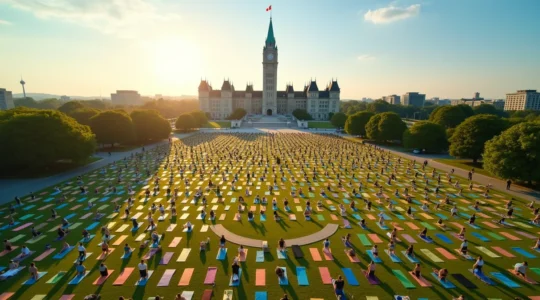
How to Join Parliament Hill Yoga: An Insider’s Guide for First-Timers
In summary: Success at Parliament Hill yoga is less about flexibility and more about mastering the logistics of this massive event. Key challenges for beginners include public transit with a mat, finding a good spot to hear the instructor, and…
Read more
A Therapist’s Guide to Finding Peace with Forest Bathing in Ottawa
In summary: Forest bathing isn’t just a walk; it’s a practice of “nature dosing” to measurably lower stress. Spending just 20-30 minutes in a green space like Ottawa’s Greenbelt can significantly reduce cortisol levels. You can find quiet “urban sanctuaries”…
Read more
How to Access Medical Care in Ottawa Without a Family Doctor
Navigating Ottawa’s healthcare without a family doctor requires a strategic playbook, not just a list of addresses. Walk-in clinics fill up due to systemic pressure; accessing them requires understanding their booking systems, often at specific times like midnight or 6…
Read more
How to Build a Wellness Routine That Survives the Ottawa Winter?
In summary: Shift your mindset from surviving winter to actively managing your body’s response with a holistic wellness system. Prioritize “luminous hygiene” with a SAD lamp, as winter sunlight is insufficient for staving off the winter blues. Use “thermal regulation”…
Read more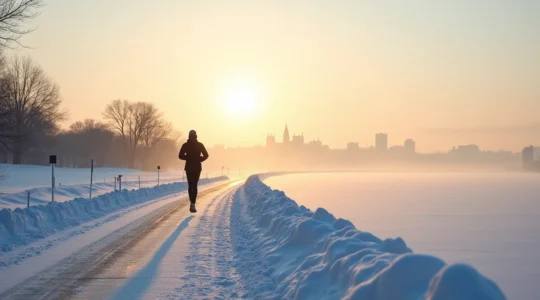
How to Train for a Marathon on Ottawa’s Multi-Use Pathways?
The secret to marathon success in Ottawa isn’t just enduring its seasons; it’s strategically weaponizing them. Leverage cold exposure to boost immunity and use the city’s integrated infrastructure for seamless, high-efficiency cross-training. Transform seasonal challenges like ice and snow into…
Read more