In summary:
- Shift your mindset from surviving winter to actively managing your body’s response with a holistic wellness system.
- Prioritize “luminous hygiene” with a SAD lamp, as winter sunlight is insufficient for staving off the winter blues.
- Use “thermal regulation” techniques, like spa thermal cycles and hot yoga, as essential tools, not just luxuries.
- Combat energy drain by avoiding simple carbs and embracing Ottawa’s local winter produce and warming spices.
- Leverage Ottawa’s unique “urban oases,” like the Greenbelt and quiet galleries, for mental and physical restoration.
The first truly cold November day in Ottawa arrives not as a gentle transition, but as a sudden clamp. The air bites, the sun hangs low and weak, and a collective sigh seems to echo from the Glebe to Orléans. The familiar advice starts to circulate: “skate the canal,” “bundle up,” “try to get outside.” While well-intentioned, these are just scattered tactics in a battle against the pervasive gloom and lethargy that can define the season for so many residents.
Surviving an Ottawa winter feels like a victory in itself. But what if the goal wasn’t just to survive, but to thrive? What if you could build a system that works with the season, rather than fighting against it? The key isn’t a random checklist of activities, but a conscious, holistic practice of what can be called thermal and luminous regulation. It’s about intentionally managing your body’s response to the city’s unique environmental pressures, from its deep-freeze temperatures to its specific urban oases of warmth and light. This means understanding why a SAD lamp is non-negotiable, how to use a spa for its therapeutic benefits, and where to find energy when the sun feels like a distant memory.
This guide moves beyond the platitudes to offer a strategic framework for your winter well-being. We will explore how to master your light exposure, regulate your body temperature for maximum benefit, fuel yourself correctly for the cold, and tap into the restorative power of Ottawa’s most serene winter spaces. By the end, you will have a blueprint for an integrated wellness routine that doesn’t just get you through to April—it helps you find energy, peace, and even joy in the heart of a Canadian winter.
To help you navigate these strategies, this article breaks down the essential components of a robust Ottawa winter wellness plan. You’ll find actionable advice organized into clear sections, allowing you to build your routine piece by piece.
Summary: Building Your Resilient Ottawa Winter Wellness Plan
- Why You Need a SAD Lamp Even If You Walk Outside Daily?
- How to Book Nordik Spa-Nature Without Waiting 3 Months?
- Yoga Studio vs City Rec Center: Which Offers Better Value for Winter?
- The Diet Mistake That Drains Your Energy in February
- In What Order Should You Do the Thermal Cycle for Maximum Benefit?
- Why Outdoor Winter Exercise in Ottawa Boosts Your Immune System?
- Why Ottawa’s Greenbelt Shape Is Unlike Any Other North American City?
- Where to Find Silent Retreats Within an Hour of Ottawa?
Why You Need a SAD Lamp Even If You Walk Outside Daily?
The first principle of a successful winter wellness routine is mastering your light environment, or “luminous hygiene.” Many Ottawans believe a brisk midday walk is enough to combat the winter blues, but the science tells a different story. The intensity of light is measured in lux, and on a bright summer day, you might be exposed to 50,000 lux or more. On a grey Ottawa winter day, that number can plummet to under 2,000 lux. This is a critical gap.
To effectively combat the symptoms of Seasonal Affective Disorder (SAD), such as low energy and mood, your brain needs a much stronger signal. Research consistently shows that effective SAD lamps provide between 5,000 to 10,000 lux of full-spectrum light. A 20-30 minute session first thing in the morning provides the powerful “wake-up” cue your circadian rhythm needs, helping to regulate your sleep-wake cycle, improve mood, and boost energy levels in a way that a gloomy winter walk simply cannot match.
Local Solution: The OttLite ClearSun LED
Finding the right tool is easy. For instance, the OttLite ClearSun LED Light Therapy Lamp, available at stores like Canadian Tire across Ottawa, is a practical and effective option. It offers three adjustable brightness levels, reaching the clinically recommended 10,000 lux. Its UV-free light is designed to mimic natural daylight, providing a safe way to enhance mood, elevate energy, and improve sleep quality. Integrating this into your morning routine—placing it on your desk as you check emails or on the counter as you make coffee—is a simple, powerful step in actively managing your luminous hygiene.
Think of it not as a replacement for outdoor time, but as a necessary supplement. Your daily walk is for fresh air and movement; your SAD lamp is a non-negotiable tool for biochemical regulation. Together, they form a powerful defence against the winter dark.
How to Book Nordik Spa-Nature Without Waiting 3 Months?
A trip to Nordik Spa-Nature in Chelsea is an iconic Ottawa-Gatineau winter experience, but the thought of booking months in advance can feel daunting. The secret that seasoned visitors know is to embrace spontaneity. While weekend spots are booked solid, the spa’s booking system is dynamic. The key is to look for last-minute openings, especially on weekdays.
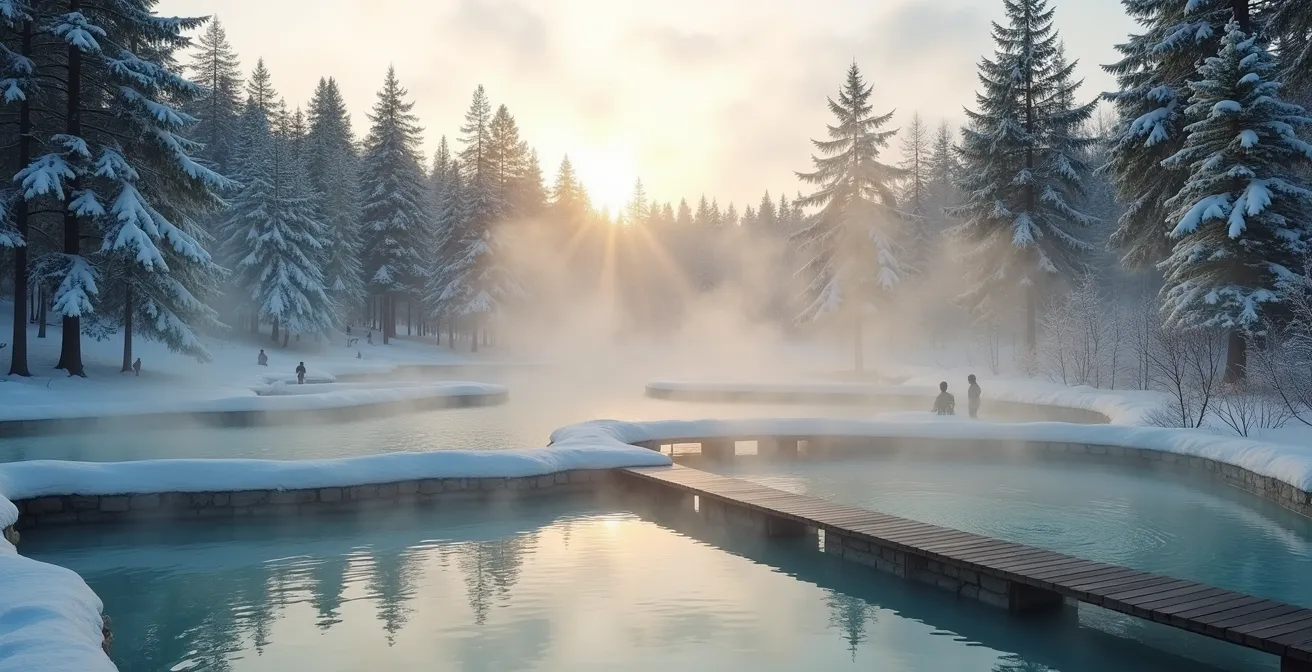
As the official website’s FAQ often reveals, cancellations and changes happen constantly. Checking the online booking portal a day or two in advance, or even the morning of, can often yield unexpected availability for the thermal experience. This approach requires flexibility but transforms the spa from a long-term plan into an accessible tool for thermal regulation. Going on a Tuesday afternoon might not have been your original plan, but it provides the same restorative benefits without the stress of long-range scheduling. This is “intentional friction” in practice—the small effort of checking frequently pays off with a much-needed escape.
Last-minute same-day bookings are often possible.
– Nordik Spa Village Chelsea, Official FAQ
By shifting your perspective, you can use the spa proactively. Feeling run down on a Wednesday? Check the site. A surprise opening becomes a powerful intervention for your well-being, a way to reset your nervous system and warm your body to its core when the winter chill feels relentless.
Yoga Studio vs City Rec Center: Which Offers Better Value for Winter?
When the cold drives you indoors for exercise, the choice between a boutique yoga studio and a City of Ottawa recreation centre can be tough. Both offer warmth and movement, but they serve different needs and budgets. The “better value” depends entirely on your goals for frequency, community, and amenities. It’s a classic case of balancing cost against experience.
Boutique studios like Yogatown or Pure Yoga offer a specialized, community-focused environment. With heated rooms that feel like a tropical escape and premium amenities, they provide an immersive experience. This is ideal for someone committed to a specific style of yoga (like hot yoga) and who values the sense of belonging to a studio community. However, this comes at a premium price. Conversely, City of Ottawa recreation centres offer incredible flexibility and affordability. With dozens of locations, free parking, and access to other facilities like pools and gyms included in many passes, they represent outstanding financial value, especially if you plan to attend classes multiple times per week.
To make the best decision for your winter wellness, a direct comparison is essential. This analysis breaks down the typical costs and benefits associated with Ottawa’s main options, helping you align your budget with your wellness needs.
| Option | Monthly Cost | Drop-in Rate | Winter Perks | Best For |
|---|---|---|---|---|
| City of Ottawa Rec Centers | $55-$65 | $7-$12 | Pool access, free parking, multiple locations | 2+ classes/week |
| Yogatown Studios | $140-160 | $20-25 | Heated studios, community events, specialized classes | Weekly practice with community focus |
| Pure Yoga Ottawa | $150-180 | $22-28 | Hot yoga options, premium amenities | Hot yoga enthusiasts |
Ultimately, the choice is personal. If your goal is to build a consistent, frequent practice to get you through the winter, the cost-effectiveness of a city rec pass is hard to beat. If you seek a deeper, more atmospheric escape once a week, the investment in a specialized studio’s community and heat might be the better value for your mental and physical health.
The Diet Mistake That Drains Your Energy in February
By February, the cumulative effect of winter takes its toll. The most common diet mistake Ottawans make is succumbing to cravings for simple, processed carbohydrates. While comforting in the moment, foods like white bread, pasta, and sugary snacks lead to a cycle of energy spikes and crashes, leaving you more drained than before. The antidote is not to deny yourself comfort, but to redefine it through metabolic pacing: choosing foods that provide slow-release, sustained energy.
The solution lies in Ottawa’s own backyard, even in the dead of winter. Embracing a diet rich in root vegetables (carrots, beets, parsnips), winter squash, and high-quality proteins provides the complex carbohydrates and nutrients your body needs to generate steady warmth and energy. Instead of seeing winter as a time of scarcity, view it as an opportunity to connect with local, seasonal eating.
Local Solution: The Lansdowne Winter Farmers’ Market
The Ottawa Farmers’ Market at Lansdowne Park runs indoors on Sundays all winter long. It’s a vibrant urban oasis offering a direct connection to the region’s agricultural heart. Here, you can find an abundance of winter staples: potatoes, onions, garlic, colourful squash, and hearty greens grown in local greenhouses. You can also find local meats, cheeses, eggs, and artisanal breads that offer far more nutritional value than their supermarket counterparts. Making a weekly trip to the market a part of your routine turns grocery shopping from a chore into a nourishing, community-building experience.
To further enhance this approach, incorporate warming spices. As health experts often note, they do more than just add flavour. They can actively support your body’s winter functions.
Warming spices enhance the flavor of your favorite dishes and offer a range of health benefits. For example, cinnamon is filled with antioxidants and anti-inflammatory properties. Ginger likewise contains antioxidants and anti-inflammatory properties and is great for gastrointestinal motility.
– Arootah Health Coaching, 10 Essential Tips to Transform Your Wellness Routine This Winter
A bowl of roasted root vegetables with cinnamon and ginger is the epitome of winter comfort—one that fuels your body instead of draining it. This simple shift in perspective is a cornerstone of a resilient winter wellness plan.
In What Order Should You Do the Thermal Cycle for Maximum Benefit?
The Nordic thermal cycle is a powerful practice for boosting immunity, reducing stress, and improving circulation, but to truly maximize its benefits, the order matters. Simply moving between hot and cold spaces isn’t enough; a specific progression helps prepare your body and deepen the therapeutic effects. The goal is to move from dry heat to wet heat before embracing the cold, followed by a crucial rest period.
This sequence is designed to optimize your body’s response at each stage. Starting in a dry sauna opens the pores and begins to raise your core body temperature, initiating a deep sweat that cleanses the skin. Moving to a steam room next adds the benefit of moist heat, which is excellent for the respiratory system and can feel less intense than prolonged dry heat. Only after your body is thoroughly warmed should you take the cold plunge. This contrast is what creates the powerful circulatory and endorphin rush. The final step, rest, is non-negotiable. It allows your cardiovascular system to normalize and the calming effects to set in. Skipping or shortening this phase robs you of half the benefit.
To get the most out of your next spa visit, follow a structured plan. This checklist breaks down the ideal progression, turning a relaxing experience into a targeted therapeutic session.
Your Action Plan: The Optimal Nordic Thermal Cycle
- Start (Dry Heat): Begin in a dry sauna for 15-20 minutes. This will initiate deep sweating and begin the process of muscle relaxation.
- Transition (Wet Heat): Move to a steam room for 10-15 minutes. The moist air provides respiratory benefits and continues the heat therapy.
- Contrast (Cold Plunge): Take a quick 10-second dip in the cold plunge on your first cycle. You can progressively increase the duration on subsequent rounds as your body adapts.
- Rest (Relaxation): Allow your body to rest and stabilize for at least 15-20 minutes. Relax by an outdoor fire pit or in a designated quiet room like the Tuli meditation spaces.
- Repeat & Hydrate: Complete 3-4 full cycles for maximum therapeutic benefit, and be sure to drink plenty of water continuously between cycles to stay hydrated.
By following this order, you are working with your body’s physiology to create a profound sense of well-being, making the thermal cycle a cornerstone of your winter thermal regulation strategy.
Why Outdoor Winter Exercise in Ottawa Boosts Your Immune System?
The instinct in winter is to hibernate, but exercising outdoors in the cold—when done correctly—is one of the most powerful things you can do for your physical and mental health. Far from being a risk, it’s a strategic way to strengthen your immune system. The benefits come from a combination of light exposure, physical challenge, and mental resilience building.
First, even on a cloudy day, being outside exposes you to a broader spectrum of natural light than you can ever get indoors. As Ottawa Public Health consistently advises, getting as much natural sunlight as you can is crucial for regulating your mood and sleep cycles. Second, exercising in the cold forces your body to work harder to maintain its core temperature. This process of thermoregulation can improve cardiovascular efficiency and may even stimulate the production of immune cells. Finally, there is a profound psychological benefit. Braving the elements and enjoying a crisp, quiet snowshoe through the woods builds a sense of resilience and accomplishment that directly counters feelings of winter lethargy.
There’s nothing better than a little physical activity outside to stay warm and get the endorphins flowing in the winter! Ottawa is known for its many outdoor recreation options all year round, but the city really shines in winter with something for everyone to enjoy the great outdoors.
– Ottawa Tourism, Uplift your spirits in Ottawa this winter
The key is proper preparation: dress in moisture-wicking layers, protect your extremities, and stay hydrated. Activities like cross-country skiing, snowshoeing, or even a brisk walk on a packed trail are low-impact yet highly effective. It’s not about enduring misery; it’s about finding the joy and strength that comes from embracing the season.
Why Ottawa’s Greenbelt Shape Is Unlike Any Other North American City?
Ottawa’s Greenbelt is not just a collection of parks; it’s a massive, 20,000-hectare crescent of protected nature that wraps around the urban core. This unique shape, a legacy of 1950s urban planning, gives Ottawa residents an unparalleled gift: vast, accessible wilderness woven directly into the fabric of the city. Unlike the fragmented park systems of many other cities, the Greenbelt provides a continuous network of forests, fields, and wetlands, creating an enormous natural buffer and a readily available escape for wellness.
In winter, its value becomes even more apparent. It transforms into a sprawling playground for low-cost, high-reward activities that are essential for well-being. The Greenbelt is home to some of the most beautiful and well-maintained winter trails in the country, managed by dedicated local volunteers.
Urban Oasis: The Greenbelt’s Winter Trail Network
In total, there are more than 150 kilometres of Greenbelt trails in the Ottawa region groomed for cross-country skiing, snowshoeing, and winter walking. Many of these trails, like the popular Kichi Sibi Winter Trail (formerly the SJAM Winter Trail) or the Rideau Winter Trail, are easily accessible from downtown. This means you can leave your office or apartment and, within minutes, be gliding through a silent, snow-covered forest along the Ottawa River. This seamless transition from urban bustle to natural tranquility is what makes the Greenbelt a world-class wellness asset and a true “urban oasis.”
The sheer scale of this integrated nature, a system with more than 850 parks in the wider Ottawa area, means you are never far from a quiet path or a peaceful wooded area. Using the Greenbelt is a conscious act of wellness—a way to find silence, fresh air, and a sense of perspective without ever having to leave the city limits. It is perhaps Ottawa’s single greatest advantage in the fight against the winter blues.
Key Takeaways
- Your winter wellness depends on a proactive system, not a passive hope for spring.
- Mastering your environment through luminous hygiene (SAD lamps) and thermal regulation (spas, hot yoga) is fundamental.
- Fuel your body with local, seasonal foods to maintain steady energy and avoid the February crash.
- Leverage Ottawa’s unique assets, like the accessible Greenbelt and diverse recreation options, as core parts of your wellness toolkit.
Where to Find Silent Retreats Within an Hour of Ottawa?
In the constant hum of modern life, compounded by the enclosed nature of winter, finding true silence can be the most profound form of restoration. While traditional multi-day silent retreats exist outside the city, you don’t need to go far to find restorative quiet. Ottawa itself offers numerous “urban oases” that can be pieced together to create a powerful “DIY” silent retreat, tailored to your schedule.
The principle is to move through different calming environments with intention. This could mean starting your day with light therapy and meditation in a designated quiet space, followed by a mindful walk through a natural setting, and ending with quiet contemplation in one of the city’s serene public buildings. For those seeking a more structured experience, free meditation classes offer a guided entry into stillness. The Sri Chinmoy Centre of Ottawa, for example, provides free classes in Old Ottawa South, offering a community setting for silent practice.
However, the beauty of the DIY approach is its flexibility and accessibility. By leveraging the city’s infrastructure, you can create moments of deep peace without the cost or time commitment of a formal retreat. Here is a possible itinerary for your own urban silent retreat.
Your Action Plan: The DIY Urban Silent Retreat
- Morning Stillness: Start your day with silent meditation in the University of Ottawa’s Wellness Lounge, which features a Light Therapy Room open to the community.
- Walking Meditation: Practice mindful walking through the quiet winter paths of the Dominion Arboretum, focusing on the sound of snow crunching underfoot.
- Afternoon Contemplation: Visit the quieter contemporary or Indigenous art galleries at the National Gallery of Canada on a weekday afternoon, letting the art be your focus.
- Mobile Silence: For a unique experience, book a seat in Via Rail’s “quiet car” for a contemplative round trip journey to a nearby town like Kingston.
- Literary Peace: Reserve a private study room at one of the Ottawa Public Library’s main branches for an hour of uninterrupted, silent reading.
Building these moments of intentional silence into your winter routine is a powerful strategy for calming the nervous system, improving focus, and cultivating a sense of inner peace that can sustain you through the darkest months.
By integrating these strategies—managing your light, regulating your temperature, eating for energy, and carving out moments of silence—you can transform your relationship with Ottawa’s longest season. Begin by choosing one or two of these practices and building them into your weekly routine to create a resilient and restorative winter.