In summary:
- The Ottawa Valley’s unique taste comes from its “cold-climate signature,” defined by resilient, cold-hardy grape varieties like Frontenac and Marquette.
- Distinguishing local craft cider from mass-market options involves checking for estate-grown apples, lower sugar content, and unfiltered production methods.
- A successful tasting tour is not random; it requires a strategic itinerary to manage your palate and maximize the experience, from premium vineyards to casual cideries.
- Appreciating the region means exploring beyond wine to include its broader agri-tourism culture, from apple-pie-perfect apples to restaurants that champion local pairings.
Many are surprised to learn that a vibrant wine culture is blossoming just outside Canada’s capital. When you think of Canadian wine, Niagara or the Okanagan likely come to mind, not the historically cold Ottawa Valley. The common approach is often to just look up a list of local wineries and go for a drive. But this barely scratches the surface and misses the very essence of what makes this region so special. You might visit a few places but leave without truly understanding why one wine tastes crisp and acidic while another is robust and earthy.
The secret to genuinely appreciating the Ottawa Valley’s offerings lies not in simply visiting, but in understanding. The key is to decode the region’s unique “cold-climate signature.” This signature is a direct expression of a challenging environment and a resilient terroir that forces winemakers to innovate. It’s a story told through specific, hardy grape varieties and artisanal methods that you won’t find in more temperate climates. Forget generic tasting notes; the real pleasure comes from recognizing the taste of place.
This guide moves beyond simple directories. As a regional oenologist, I’ll walk you through the very heart of the Valley’s terroir. We will explore the specific grapes that define our wines, learn to distinguish true craft cider, and compare our unique flavour profile to other regions. We’ll also cover the practical etiquette of wine appreciation in Ottawa and build a plan to experience it all, transforming a simple day trip into a memorable oenological journey.
To help you navigate this rich landscape, this article delves into the key aspects of the Ottawa Valley’s wine and cider scene. Follow along to discover the unique character of our local products and learn how to best enjoy them.
Summary: Your Guide to Ottawa Valley Wines
- Why Frontenac and Marquette Grapes Thrive Near Ottawa?
- How to Distinguish Between Craft Cider and Mass-Market Sweet Cider?
- Prince Edward County vs Ottawa Valley: What’s the Difference in Taste?
- The BYOW Mistake That Offends the Restaurant Manager
- Where to Store Your Local Wines During a humid Ottawa Summer?
- In What Order Should You Visit the Wineries to maximize the Day?
- McIntosh or Cortland: Which Ottawa Apple Is Best for Pie?
- Where to Experience the Best Tasting Menu in the Capital?
Why Frontenac and Marquette Grapes Thrive Near Ottawa?
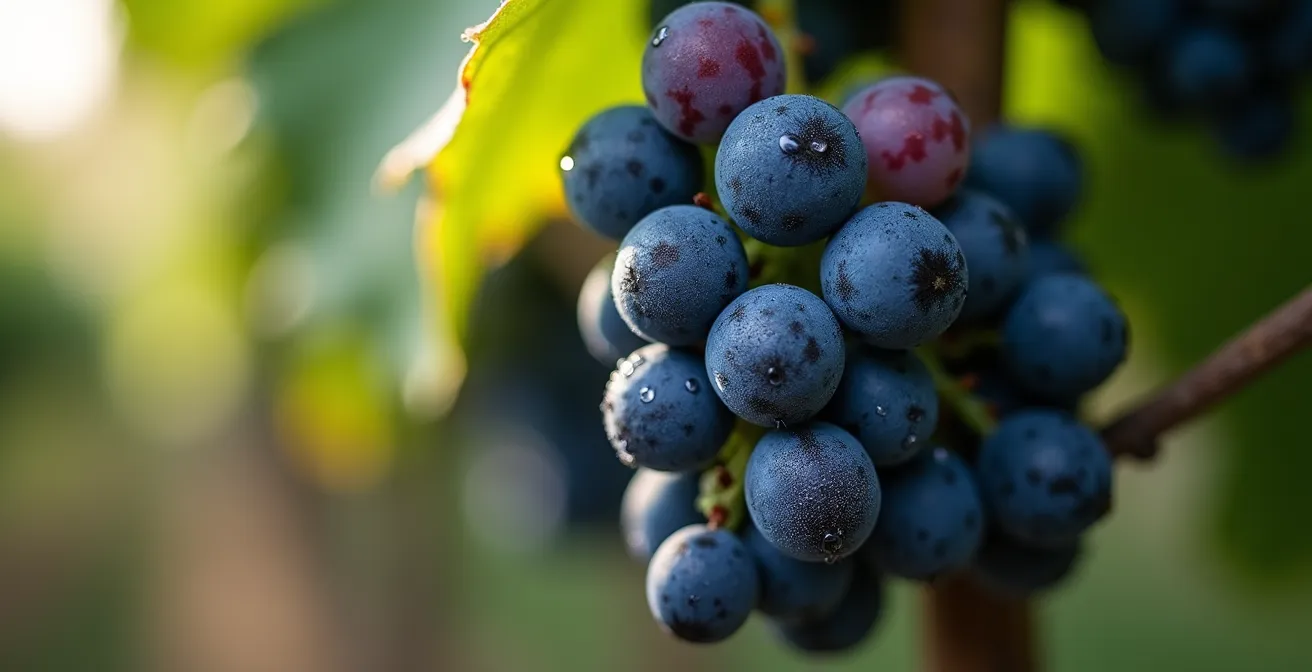
The very existence of a wine region near Ottawa is a testament to agricultural innovation and the unique characteristics of specific grape varietals. Unlike the Vitis vinifera grapes (like Cabernet Sauvignon or Chardonnay) that dominate warmer climates, the Ottawa Valley’s success is built on cold-hardy grapes. These are typically French-American hybrids specifically developed to withstand harsh Canadian winters, with temperatures that can plummet well below -30°C. The two heroes of our region are undoubtedly Frontenac and Marquette.
These grapes don’t just survive; they express our terroir. Frontenac, with its high acidity and notes of cherry and blackcurrant, creates robust reds and vibrant rosés. Marquette, a descendant of Pinot Noir, offers more complexity and softer tannins, yielding medium-bodied wines with flavours of plum, spice, and dark berries. According to a 2024 wine tourism guide, there are over 16 different vineyards near Ottawa, and a vast majority of them lean on these resilient varietals as their backbone.
This focus on what the land can support is a core philosophy for top local producers. For instance, KIN Vineyards in the Ottawa Valley operates on the belief that “Great wine truly is made in the vineyard.” By embracing sustainable and biodynamic farming, they focus on nurturing the soil to allow these cold-hardy grapes to reach their fullest expression. The result is a wine that is not just a beverage, but a genuine reflection of the Ottawa Valley’s unique climate and soil—a true taste of place.
How to Distinguish Between Craft Cider and Mass-Market Sweet Cider?
Alongside its burgeoning wine scene, the Ottawa Valley is a historic apple-growing region, making it a hotspot for artisanal or craft cider. However, for the uninitiated, the difference between a locally produced craft cider and a sugary, mass-market brand can be unclear. The distinction lies in the philosophy, the ingredients, and the process. Mass-market ciders are often made from commercial apple concentrate and water, with added sugar and artificial flavours to create a consistent, soda-like product.
Craft cider, in contrast, is an agricultural product, much like wine. It begins in the orchard. Ottawa Valley producers often use estate-grown, heritage apple varieties, which provide complex flavours that concentrate cannot replicate. The sweetness in craft cider comes from the apples themselves, not added corn syrup, resulting in a product that is typically much drier and more nuanced. Production is done in small, seasonal batches, often using wild yeasts for fermentation, which adds another layer of local character.
This table highlights the fundamental differences you can taste and see when exploring Ottawa’s cideries. The price point reflects the quality of ingredients and the labour-intensive, small-batch process.
| Characteristic | Craft Cider (Ottawa Valley) | Mass-Market Cider |
|---|---|---|
| Apple Source | Estate-grown, heritage varieties | Commercial concentrate |
| Sweetness | Dry to semi-dry (5-20g/L sugar) | Sweet (30-50g/L sugar) |
| Production | Small batch, seasonal | Year-round mass production |
| Price Point | $15-25 per bottle | $8-12 per six-pack |
When you’re at a farmers’ market or a local bottle shop, knowing what to look for is key. The best way to find authentic craft cider is to engage with the producer and ask the right questions.
Your Checklist for Finding Authentic Craft Cider
- Ask if they use estate-grown apples from their own orchards.
- Look for terms like “unfiltered” or “heritage apples” on the label.
- Inquire about residual sugar levels; true craft ciders are often drier.
- Check if they use specific apple varieties like McIntosh or Cortland.
- Ask about the fermentation process, particularly if wild yeasts are used.
Prince Edward County vs Ottawa Valley: What’s the Difference in Taste?
For many Ontario wine lovers, Prince Edward County (PEC) is the benchmark for cool-climate wine. So, how does the Ottawa Valley compare? While both are considered cool-climate regions, their distinct terroir creates noticeable differences in the glass. The primary distinction comes down to two factors: geology and temperature. PEC is famous for its limestone-rich soils, an extension of the same geological formation found in Burgundy, France. This soil imparts a distinct minerality, especially to its Chardonnay and Pinot Noir.
The Ottawa Valley, by contrast, has a more varied soil composition and a significantly colder climate. This necessitates the use of the ultra-resilient cold-hardy grapes we discussed earlier. These grapes naturally have higher acidity, which acts as a preservative and gives the wines a bright, crisp, and refreshing quality. While PEC wines are known for their minerality and elegance, Ottawa Valley wines are often defined by their vibrant acidity and robust fruit character. You’ll find them to be zesty, food-friendly, and expressive of pure fruit flavours.
This difference in approach is a source of regional pride. It’s a philosophy of working with nature, not against it. As the team at KIN Vineyards eloquently states in their philosophy, which is often shared on local tours, ” Great wine truly is made in the vineyard and it is an adherence to this philosophy that informs our choice to farm sustainably.” This isn’t about trying to be PEC; it’s about perfecting the unique terroir expression of the Ottawa Valley. One is not better than the other; they are simply different, offering a fantastic opportunity for any wine lover to taste the impact of terroir firsthand.
The BYOW Mistake That Offends the Restaurant Manager
Many Ottawa restaurants embrace a “Bring Your Own Wine” (BYOW/BYO) policy, offering a fantastic opportunity for diners to enjoy a special bottle from their collection. However, there’s an unspoken etiquette to this practice, and one common mistake can inadvertently offend the sommelier or restaurant manager: bringing a wine that is already on their wine list. Doing so implies that their price is unreasonable or, worse, that you haven’t bothered to look at their carefully curated selection.
The spirit of BYOW is to allow guests to drink something special, rare, or personally significant that the restaurant doesn’t offer. It is not intended as a way to simply save money on a widely available bottle. Restaurants put immense effort into creating their wine programs, and the corkage fee—typically a $20-25 corkage fee in most Ottawa establishments—is not just for the service of opening and pouring. It helps compensate for the lost revenue on a bottle they would have otherwise sold and acknowledges the use of their glassware, service, and expertise.
To ensure a positive BYOW experience for everyone, it’s crucial to follow a few simple guidelines. This shows respect for the establishment and the service they provide, turning the occasion into a collaborative and enjoyable part of your meal.
- Always call the restaurant ahead of time to confirm their BYOW policy and the current corkage fee.
- Never bring a wine that is currently on the restaurant’s wine list. Check their menu online beforehand.
- As a gesture of courtesy, offer a small taste of your wine to the server or sommelier.
- A good rule of thumb is to tip on the wine service as if you had purchased a similarly priced bottle from their list.
- Make it a special occasion by bringing aged, rare, or unique bottles rather than inexpensive, everyday wines.
Where to Store Your Local Wines During a humid Ottawa Summer?
Once you’ve brought home a few bottles from your Ottawa Valley tour, proper storage becomes crucial to preserving their quality, especially given Ottawa’s climate of humid summers and dry winters. Temperature is the most critical factor. The ideal range for wine storage is a consistent 12-18°C (55-65°F). Drastic temperature fluctuations are the enemy of wine, as they can cause the liquid to expand and contract, potentially pushing the cork out or letting oxygen in.
Fortunately, the cold-hardy grape varietals grown in the Ottawa Valley, such as Vidal Blanc, Maréchal Foch, and Frontenac, tend to produce more robust, youthful wines that are slightly more forgiving than delicate, aged Bordeaux or Burgundy. They are meant to be enjoyed relatively young and are less susceptible to subtle temperature variations. However, you should still avoid common storage mistakes like keeping wine on a kitchen counter (too warm and bright) or in an uninsulated garage (too much fluctuation).
For Ottawa residents, where you store your wine depends heavily on your living situation. A cool, dark basement is often a good solution in a suburban home, but you must monitor for dampness. In a condo, a dedicated wine cooler is the best investment for serious collectors. For casual storage, an interior closet on a lower floor is a safe bet.
- For Condo Dwellers: Store wine bottles in a dark, interior closet away from heat sources, appliances, and sun-drenched exterior walls.
- For Homeowners: A basement is often the best choice, but use a hygrometer to ensure humidity stays between 50-70% to prevent corks from drying out or mould from growing.
- For Precious Bottles: Invest in a small, thermoelectric wine cooler. It maintains a perfect, consistent temperature and protects against vibration.
- Universal Rules: Keep wines away from sources of vibration like washing machines or HVAC units, and always store bottles with corks on their side to keep the cork moist.
In What Order Should You Visit the Wineries to maximize the Day?
A successful wine tour in the Ottawa Valley isn’t just about where you go, but the order in which you visit. A strategic itinerary can prevent “palate fatigue” and make the most of your time and travel. The general oenological rule is to taste from light to heavy: sparkling wines first, followed by light-bodied whites, then rosés, fuller-bodied whites, light-bodied reds, and finally, full-bodied reds and dessert wines. This progression prevents lighter, more delicate wines from being overpowered by more robust ones.
Applying this to a tour, it’s wise to start your day at a winery known for its whites or rosés and finish at one celebrated for its powerful reds. Geographically, the wineries near Ottawa are spread out, primarily in the West Carleton and Navan areas. Grouping your visits by location is just as important as planning for your palate. This is where professional tour services like La Vida Local can be invaluable, as they handle the logistics and driving, allowing you to fully immerse yourself in the experience.
For a self-guided tour, here is a logical and palate-friendly route that covers a diverse range of the region’s offerings, turning your day into a structured tasting journey:
- Morning (10:00 AM): Start at KIN Vineyards (Carp). Begin with a premium experience. Their focus on sustainable viticulture and high-quality Chardonnay and Pinot Noir makes for an excellent educational start. Booking a tour provides deep insight into the terroir.
- Mid-day (12:30 PM): Head to Jabulani Vineyard & Winery (Richmond). This is a great spot for a relaxed lunch on their patio. Their diverse portfolio allows you to progress your tasting from whites to their more robust reds.
- Afternoon (3:00 PM): Visit Domaine Perrault (Navan). Located to the east of Ottawa, this family-run vineyard offers a different terroir. This is a good time to explore their award-winning Maréchal Foch and other reds as your palate is ready for more complexity.
- Late Afternoon/Evening (5:00 PM): End at Farmgate Cider (West Carleton). Finish your day by cleansing your palate with crisp, artisanal cider. Their wood-fired pizza provides the perfect casual dinner to cap off a day of tasting.
McIntosh or Cortland: Which Ottawa Apple Is Best for Pie?
The Ottawa Valley’s agri-tourism prowess extends far beyond the vineyard into its historic orchards. For anyone who has gone apple picking at a local farm, the classic debate arises when it’s time to bake: which apple makes the best pie? The two most iconic local varieties, McIntosh and Cortland, both make delicious pies, but they create very different results due to their texture when cooked.
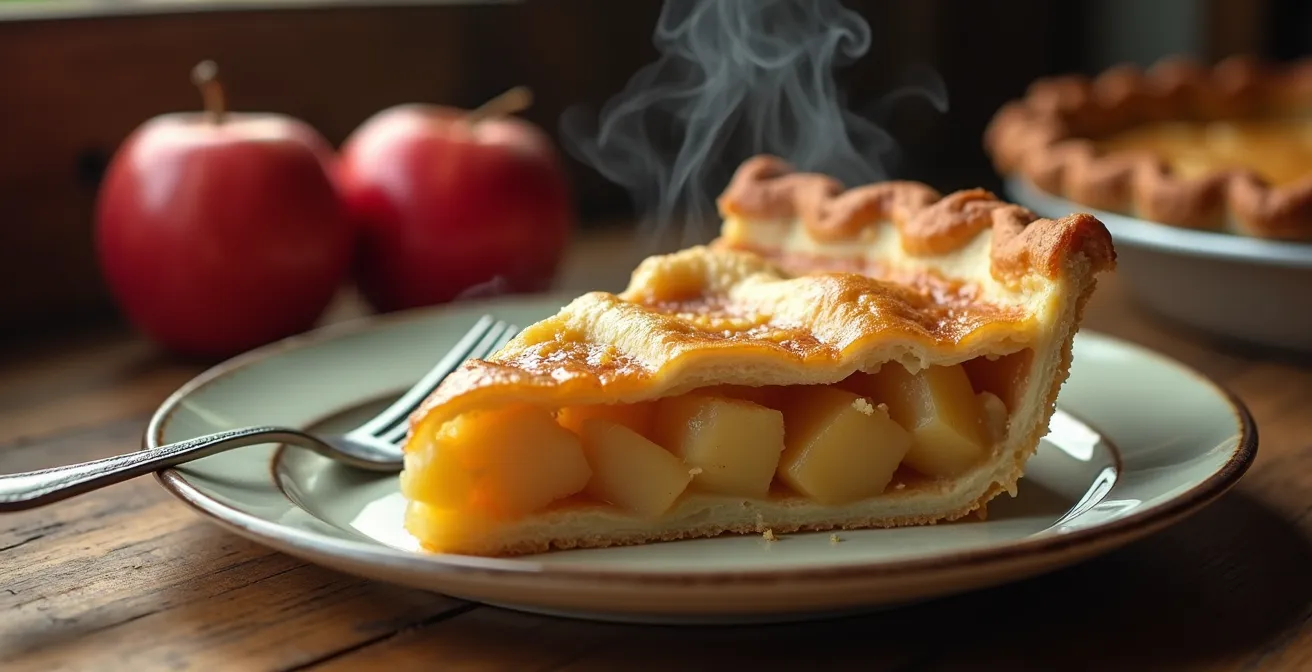
The McIntosh is the classic choice for a soft, sauce-like filling. Its tender flesh breaks down beautifully when baked, creating a smooth, homogenous texture that melts in your mouth. Its signature sweet-tart flavour is what many people associate with traditional applesauce and apple pie. If you love a pie where the filling is dense and velvety, McIntosh is your perfect apple. In contrast, the Cortland is the champion for a chunky, textured pie. Its flesh is firmer and holds its shape remarkably well during baking. This results in a pie with distinct slices of tender apple in every bite. It is slightly less tart than the McIntosh, offering a milder, sweeter flavour profile.
Ultimately, the “best” apple is a matter of personal preference for the final texture. Here’s a simple breakdown to help you decide:
| Characteristic | McIntosh | Cortland |
|---|---|---|
| Texture in Pie | Breaks down to sauce-like | Holds shape well |
| Best For | Smooth applesauce-style filling | Chunky traditional pie |
| Sweetness | Sweet-tart balance | Mildly tart |
| Local Pairing | Ottawa Valley ice cider | Off-dry white wine |
Key Takeaways
- The Ottawa Valley’s wine identity is forged by its cold-hardy grapes like Frontenac and Marquette, which produce wines with a signature vibrant acidity and robust fruit character.
- Authentic local craft cider is defined by its ingredients (estate-grown apples), process (small-batch, lower sugar), and terroir, setting it apart from concentrate-based commercial products.
- A strategic approach to tasting, from planning your route to the order of wines you sample, is essential to prevent palate fatigue and fully appreciate the diversity of the region.
Where to Experience the Best Tasting Menu in the Capital?
The ultimate expression of a region’s culinary identity is found on the tasting menus of its best restaurants. In Ottawa, the finest dining experiences are increasingly those that not only showcase exceptional cooking but also champion the wines, ciders, and produce of the surrounding valley. The “best” tasting menu is therefore not just about the food, but about the story it tells of its place. It’s an experience where the sommelier is just as excited about a local Vidal Blanc as they are about an imported Sancerre.
Restaurants like Beckta Dining & Wine are leaders in this philosophy. They demonstrate a deep respect for local producers and oenophiles by not only featuring local wines but also maintaining a welcoming BYOW policy. This signals a confidence in their own offerings while celebrating the broader wine culture. Similarly, food tours like the Taste of the ByWard Market Food Tour now frequently include stops for local wine pairings, demonstrating how deeply this farm-to-table ethos is penetrating the capital’s food scene. This is the new benchmark for a great tasting menu: one that provides a delicious and educational link between the plate and the land.
When seeking out these experiences, look for menus that explicitly mention local farms, wineries, or cideries. Don’t hesitate to ask the sommelier for their favourite local pairing. The most memorable meals are those that immerse you in the terroir, where each course and each sip deepens your connection to the Ottawa Valley. This is where food and wine cease to be separate entities and become a unified celebration of regional flavour.
Your journey into the Ottawa Valley’s terroir doesn’t have to end here. The next time you dine out in the capital, ask for a local wine pairing and continue the delicious exploration of our region’s unique cold-climate signature.