Choosing the right Ottawa museum for a short visit is about strategy, not just subject matter.
- Your specific interest (e.g., engineering vs. Indigenous history) dictates a different museum and a unique path within it.
- Common mistakes, like buying a multi-museum pass for a short trip or misunderstanding special exhibition fees, can waste both time and money.
Recommendation: Instead of trying to see everything, pick one museum based on your visitor archetype and follow a curated pathway to ensure an impactful, not a rushed, experience.
Welcome to Ottawa. You have a wealth of national museums at your fingertips, but only a few precious hours. The common advice? “Visit the Museum of History for history, the War Museum for military buffs.” This is true, but it’s not helpful. It leads to rushed, checklist-style visits that leave you feeling like you’ve seen everything and experienced nothing. You glance at a tank, snap a photo of a dinosaur skeleton, and leave without a memorable story.
As a museum membership director, I see this mistake every day. Visitors try to cram too much in, treating our institutions like a buffet. The real secret to a satisfying short visit isn’t about speed; it’s about depth and strategy. It’s about understanding that each museum offers a different kind of experience, and that navigating them efficiently requires an insider’s plan. What if the key wasn’t just choosing the right museum, but choosing the right *path* within it?
This guide moves beyond the brochures. We won’t just tell you what’s in each museum. We’ll provide strategic pathways tailored to specific interests and visitor types. We’ll help you decide between the War and Aviation museums if you’re an engineer, show you how to survive the Museum of Nature with a toddler, and reveal the one ticket mistake that costs visitors time and money. Prepare to transform your three-hour tour from a frantic rush into a focused, memorable journey.
This guide is structured to help you make the best decision based on your personal interests and time constraints. Explore the sections below to discover the ideal museum experience for your Ottawa visit.
Summary: A Strategic Guide to Ottawa’s National Museums on a Tight Schedule
- Why the Totem Pole Collection in the Museum of History Is Unique Globally?
- How to Survive the Museum of Nature with a Toddler?
- War Museum or Aviation Museum: Which Is Better for Engineering Fans?
- The Special Exhibition Mistake That Adds $15 to Your Ticket
- In What Order Should You Walk Through the War Museum’s Chronology?
- In What Order Should You Visit the 3 Major Zones to Save Time?
- How to Locate the Indigenous Art Wing for a Chronological Tour?
- How to Tackle the National Gallery of Canada in a Single Afternoon?
Why the Totem Pole Collection in the Museum of History Is Unique Globally?
For many visitors, a totem pole is a striking symbol of Indigenous culture. But at the Canadian Museum of History, the collection is more than just an assembly of artifacts; it’s an architectural and political statement. While many museums have totem poles, none present them within a space so profoundly integrated with their meaning. Each year, the Canadian Museum of History welcomes over 1.2 million visitors, many of whom are immediately struck by this powerful display.
The genius lies in the design by Indigenous architect Douglas Cardinal. The Grand Hall, with its fluid, canoe-shaped ceiling and columns like upright paddles, isn’t just a container for the world’s largest indoor collection of totem poles. It’s a dialogue. The sweeping wall of windows frames the collection directly against the view of Parliament Hill across the river. This isn’t an accident; it’s a deliberate visual conversation between the enduring sovereignty of First Nations and the seat of the Canadian state. You aren’t just looking at poles in a room; you are standing in a space designed to represent a canoe carrying Indigenous culture and looking out at the institution with which it has a complex, ongoing relationship.
This contextual power is what makes a 3-hour visit here so impactful. Instead of a sprawling, disconnected tour, you can dedicate your time to this single, profound experience. You can study the intricate carvings, feel the scale of the poles, and absorb the architectural narrative. It transforms art appreciation into a deep reflection on Canadian identity.
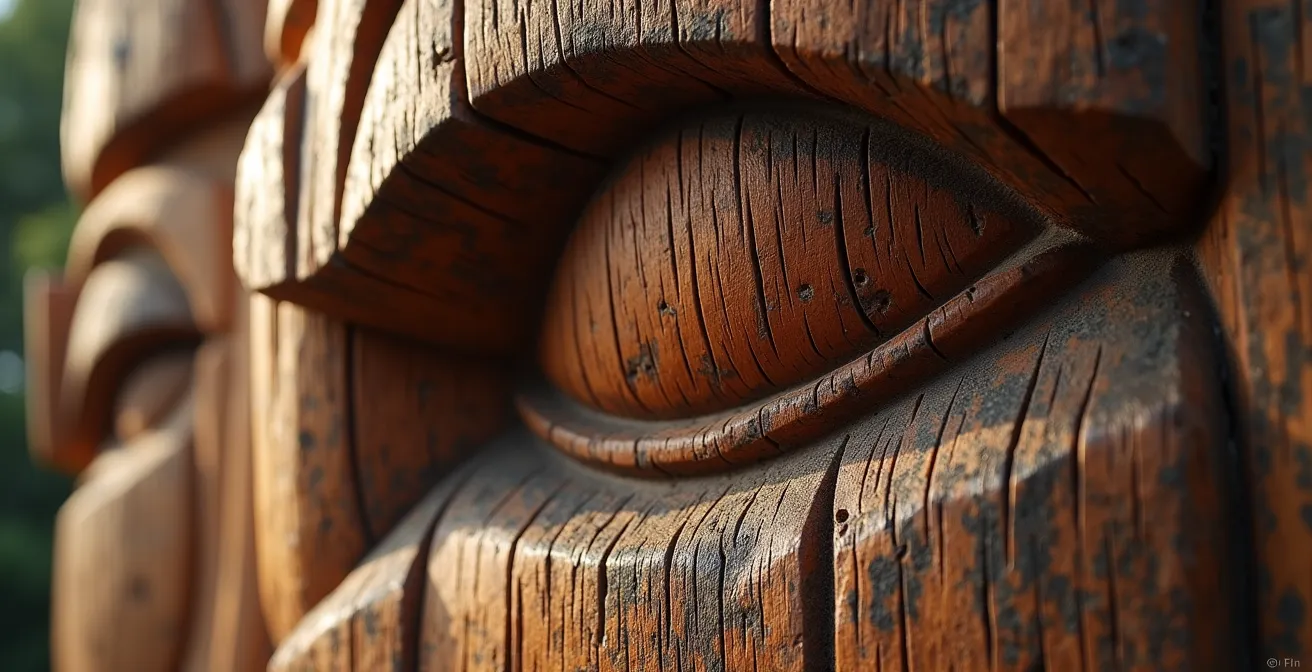
As you examine the weathered cedar, you can see the grooves and ridges that tell stories of lineage, land, and spirituality. This isn’t just history; it’s living heritage presented in a space that respects its gravitas. For a short visit, focusing solely on the Grand Hall and the adjacent First Peoples Hall provides a more complete and moving experience than a rushed tour of the entire museum ever could.
How to Survive the Museum of Nature with a Toddler?
The Canadian Museum of Nature is a paradise for curious minds, but for parents of toddlers, it can quickly become a gauntlet of overstimulation and meltdowns. The key to a successful—and dare I say, enjoyable—visit is not to see everything, but to navigate strategically. A three-hour window is actually perfect if you have a plan that prioritizes high-engagement, low-stress zones.
Forget a linear walk-through. Your mission is to create a “greatest hits” tour tailored to a toddler’s attention span. The museum is surprisingly well-equipped for this if you know where to look. The Pacific Discovery Tank in the Water Gallery, for instance, allows for safe, hands-on interaction with tide pool creatures. This sensory experience is a perfect starting point to capture their interest immediately. When energy wanes, the Earth Gallery’s dimly lit mineral section provides a much-needed quiet zone to decompress.
Here is a proven pathway for a stress-free toddler visit:
- Arrive at 9 AM Sharp: Beat the school groups and midday crowds for a calmer environment.
- Start at the Water Gallery: Head straight for the hands-on Pacific Discovery Tank where toddlers can safely touch marine life.
- Move to the Earth Gallery: When a sensory break is needed, the quiet, sparkling mineral section is your best friend.
- Engage with Bugs Alive: Use this exhibit as your high-energy zone, featuring live insects in secure habitats that fascinate young children.
The savvy visitor also knows about the value-driven options. For a low-pressure trial run, families can explore the Museum of Nature during free admission Thursdays from 5-8 PM. This allows you to test the waters without the pressure of a full-price ticket, making it easier to leave when the first signs of a meltdown appear. This strategic approach turns a potentially chaotic outing into a memorable adventure.
War Museum or Aviation Museum: Which Is Better for Engineering Fans?
For the visitor fascinated by how things are built, maintained, and operated, both the Canadian War Museum and the Canada Aviation and Space Museum are compelling choices. However, they cater to very different engineering disciplines. Choosing the right one for a 3-hour visit depends entirely on what kind of technology ignites your curiosity. As the Ottawa Tourism Board notes in its guide, the Aviation Museum is exceptional because it “allows for 360-degree walk-arounds, letting visitors get up close to landing gear and engine cowlings.” This highlights the hands-on, up-close nature of the experience there.
The War Museum is a masterclass in mechanical and materials engineering. Its LeBreton Gallery is a vast collection of tanks, artillery, and military vehicles where you can appreciate the evolution of armour plating and brute-force mechanics. You’ll see iconic Canadian contributions like the Ram Tank. The Aviation Museum, in contrast, is a shrine to aerospace and propulsion systems. It’s where you can stand in awe of the elegant complexity of the Avro Arrow’s wings or dissect the inner workings of Pratt & Whitney engines that powered a nation.
To make the best choice for your limited time, this direct comparison is essential, drawn from information provided by an analysis of Ottawa’s national museums.
| Aspect | Canadian War Museum | Aviation and Space Museum |
|---|---|---|
| Engineering Discipline | Mechanical & Materials (armor, vehicles) | Aerospace & Propulsion Systems |
| Iconic Canadian Tech | Ram Tank, CMP Trucks | Avro Arrow, Pratt & Whitney engines |
| Viewing Experience | Contextual dioramas | 360-degree walk-arounds |
| Location & Access | Central Ottawa (easy) | Outskirts (30+ min travel) |
| 3-Hour Visit Feasibility | Optimal | Challenging with travel |
For a three-hour visit, the verdict is clear. While the Aviation Museum offers an unparalleled close-up look at aircraft, its location on the outskirts of the city eats into valuable time. The centrally located War Museum is the more feasible and efficient choice, offering a dense and deeply satisfying experience for any mechanical engineering enthusiast without the logistical overhead.
The Special Exhibition Mistake That Adds $15 to Your Ticket
One of the most common pitfalls for time-crunched tourists is the lure of the special exhibition. You see a poster for a blockbuster show and automatically add it to your plan, only to find it requires a separate timed ticket, a surcharge, and a significant detour from the main collection. For a 3-hour visit, this is often a strategic error that adds cost and complexity, turning a focused trip into a frantic rush.
Consider the economics. A standard adult admission to most national museums is around $15-17. The special exhibition surcharge is often an additional $10-15. Suddenly, your visit costs over $30. For a family, this adds up quickly. The Ottawa Museums Pass, which seems like a solution, can be another trap. A one-day pass costs around $35, but coordinating the timed-entry slots required by different museums—especially for their special exhibitions—can derail a tight schedule. For a single, focused 3-hour visit, a single-admission ticket is almost always the more cost-effective and time-efficient choice.
The truly savvy visitor knows how to turn this system to their advantage. Many museums offer free general admission on Thursday evenings. Critically, this often includes access to the special exhibitions that would otherwise carry a surcharge. For example, visitors can often access these premier shows at the National Gallery or Museum of Nature for free during their Thursday 5-8 PM slots. This simple piece of insider knowledge can save you money and, more importantly, allows you to dedicate your main paid visit to the permanent collections without feeling like you’re missing out.
By decoupling the special exhibition from your primary visit, you protect your time and budget. Use your three hours to deeply engage with the core offerings, and if your schedule allows, return on a Thursday evening to enjoy the temporary blockbuster show as a bonus, not a costly distraction.
In What Order Should You Walk Through the War Museum’s Chronology?
The Canadian War Museum is designed as a journey, with its architecture guiding you upward through Canada’s military history. However, attempting to follow the full chronology on a three-hour timeline is a recipe for exhaustion. The key is to be selective and create an “express path” that delivers both intellectual and emotional impact without requiring you to read every single panel.
Your strategic 60-to-90-minute path should prioritize impact over comprehensiveness. Here’s how to do it:
- Start at LeBreton Gallery: Don’t start at the beginning of time. Begin in the basement with the massive artifacts—tanks, artillery, and even Hitler’s car. This provides an immediate, visceral sense of scale and power that sets the stage for the human stories to come.
- Proceed to the Royal Canadian Legion Hall of Honour: After the machines, connect with the people. This hall presents individual stories and artifacts that ground the immense scale of conflict in personal experience.
- Choose ONE Chronological Gallery: This is the most important decision. Don’t try to do all four. Pick the one that interests you most—whether it’s the trenches of World War I, the battlefronts of World War II, or the tensions of the Cold War. A deep dive into one era is far more rewarding than a shallow skim of all of them.
- End at Memorial Hall: This is non-negotiable. Your visit must conclude in this contemplative space, which contains only one artifact: the headstone from the grave of Canada’s Unknown Soldier.
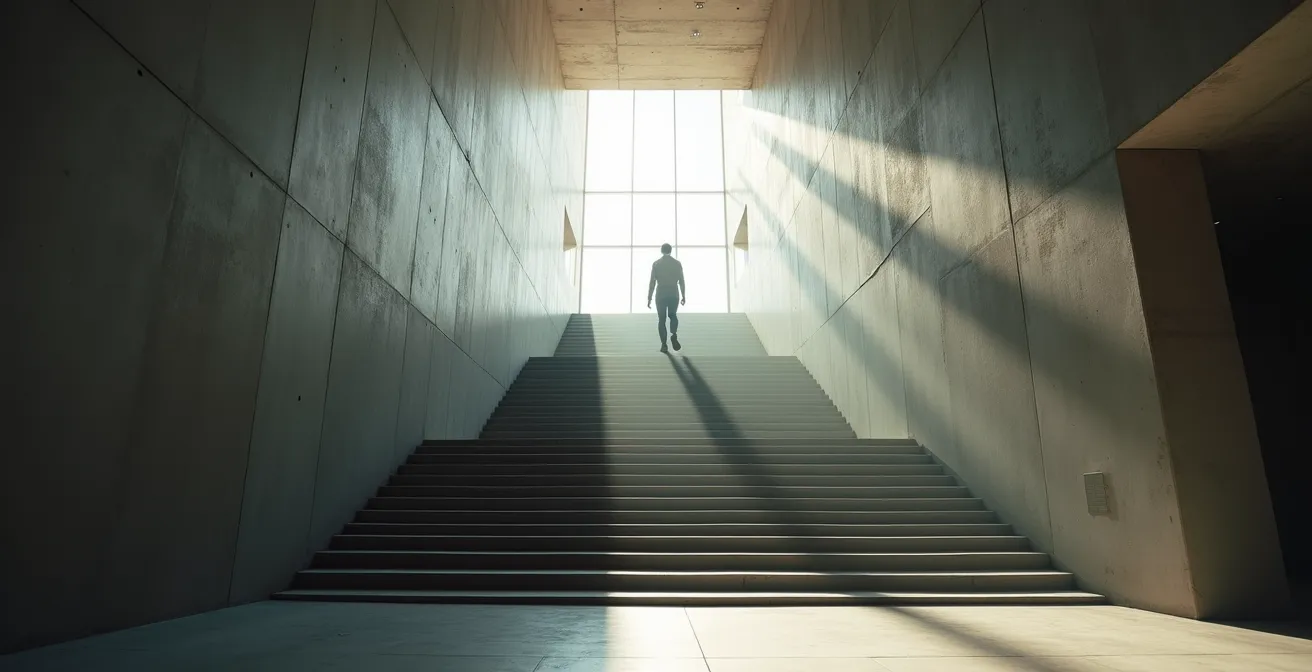
This final stop is the emotional heart of the museum. As the museum itself highlights, “At exactly 11:00 a.m. on November 11 each year, a beam of sunlight shines through a single window into Memorial Hall to perfectly frame the headstone.” While you may not be there at that exact moment, the space is designed to evoke that same sense of focused reverence. Ending your journey here provides a powerful moment of reflection, cementing the visit’s emotional impact.
In What Order Should You Visit the 3 Major Zones to Save Time?
Many visitors see Ottawa’s museums as existing in three distinct zones: the downtown core (National Gallery), the LeBreton Flats area (War Museum), and across the river in Gatineau (Museum of History). The default plan is to walk, bus, or drive between them, often getting caught in the notorious interprovincial bridge traffic. This is a critical time-wasting error. The insider’s solution is not on land, but on water.
The most strategic way to connect these zones, particularly between May and October, is the Aqua-Taxi. This water taxi service offers a direct and scenic route connecting the docks near the Museum of History, Parliament Hill (a short walk from the National Gallery), and the War Museum’s Richmond Landing. The crossing takes a mere 10 minutes, completely bypassing road congestion. A fare of around $8 even includes space for a bike or stroller, making it a logistical dream for active visitors.
A highly efficient itinerary using this strategy would be:
- Morning (9 AM): Start at the Canadian Museum of History in Gatineau. Spend your first two hours there, focusing on the Grand Hall and First Peoples Hall.
- Late Morning (11:30 AM): Walk to the adjacent dock and take the Aqua-Taxi across the Ottawa River to the Richmond Landing dock at the War Museum. The short boat ride provides fantastic photo opportunities of the Parliament buildings.
- Afternoon (12 PM – 3 PM): Dedicate your afternoon to the War Museum or, if you chose the Parliament dock, the National Gallery.
This approach, detailed by resources like the Museum of History’s own visitor guide, clusters your visits geographically and uses a transport method that is both efficient and an experience in itself. It turns a logistical headache into a pleasant and time-saving part of your tour, allowing you to realistically visit two major museums in different zones in a single day without feeling rushed.
How to Locate the Indigenous Art Wing for a Chronological Tour?
Here is one of the most important pieces of advice for anyone visiting the National Gallery of Canada: stop looking for the “Indigenous Art Wing.” It doesn’t exist. This is not an oversight; it is a deliberate and powerful curatorial choice. As the gallery itself explains, it has made a conscious decision to integrate Indigenous art chronologically alongside Canadian and European art, rather than segregating it. This decolonized approach reframes the entire story of art in Canada, and navigating it requires a new mindset.
Understanding this is the first step to a deeply rewarding visit. Instead of seeking a separate section, your goal is to trace the dialogue between cultures as it unfolds through the gallery’s halls. You will find contemporary Indigenous works in conversation with modern Canadian pieces, and historical Indigenous artifacts placed in context with early colonial paintings. This approach acknowledges that Indigenous art is not a separate category, but a foundational and continuous part of Canada’s artistic heritage. It also acknowledges the museum is on the unceded territory of the Algonquin Anishinabeg Nation.
To experience this integrated collection meaningfully, a specific pathway is required. You can’t just wander; you need a plan to see the connections.
Your Action Plan: A Decolonized Gallery Tour
- Start with the Contemporary: Begin in the Contemporary and Indigenous Galleries (Level 2) to understand the vibrant, living traditions of today’s Indigenous artists.
- Move to the Integrated Galleries: Proceed to the Canadian and Indigenous Galleries, where works from different cultures are hung side-by-side, organized by time period.
- Look for the Dialogue: Actively search for Indigenous pieces placed alongside iconic works like those from the Group of Seven. Notice the contrasting and complementary perspectives on landscape and identity.
- Acknowledge the Territory: Identify contemporary works by Algonquin Anishinabeg artists, which serve as a powerful reminder of whose land the gallery stands upon.
- Complete the Circuit: Return to view historical Indigenous works with the fresh perspective gained from seeing the contemporary pieces first.
This approach transforms your tour from a passive viewing into an active process of discovery. It allows you to see the collection not as a series of isolated objects, but as a complex, interwoven narrative of Canadian art history.
Key Takeaways
- A successful 3-hour museum visit in Ottawa requires a strategic pathway, not a comprehensive sprint.
- Tailor your choice of museum and your route within it to your specific visitor archetype (e.g., engineering fan, parent with a toddler).
- Leverage insider knowledge like free Thursday evenings and the Aqua-Taxi to save significant time and money.
How to Tackle the National Gallery of Canada in a Single Afternoon?
The National Gallery of Canada is vast and magnificent, a place where you could easily spend a full day. But with only an afternoon, attempting to see everything is a fool’s errand. As experienced visitors recommend spending at least two hours just for a brief overview, a three-hour visit must be surgical. The key is to break the immense collection into a manageable, themed segment.
One of the most effective strategies is the “two-part visit,” especially for those staying in Ottawa for a few days. This involves leveraging the gallery’s free Thursday evening hours. You can pay for admission on a weekday afternoon (e.g., 1 PM to 4 PM) and focus exclusively on one major trail, such as the Canadian and Indigenous Masters. This allows you to immerse yourself in the works of the Group of Seven and their contemporaries without distraction.
Then, you can return on Thursday evening from 5 PM to 8 PM for free to explore a completely different section, like the Contemporary and International collections. This second visit often has a different, more relaxed atmosphere, sometimes with music and art-making activities in the Scotiabank Great Hall. This strategy splits the overwhelming collection into two digestible, themed experiences, maximizing both your time and your budget. You get two distinct visits for the price of one, and neither feels rushed.
If you only have one afternoon, the principle remains the same: choose one path and stick to it. Decide beforehand if you want to focus on European masters, Canadian history, or contemporary art. By setting a clear intention, you can have a rich, contemplative experience with a specific part of the collection, which is far more rewarding than a fleeting glimpse of everything.
By applying these targeted strategies, you can transform a short, potentially stressful trip into a highlight of your time in Ottawa. The next step is to choose your path and book your ticket for a focused, memorable, and truly enriching museum experience.