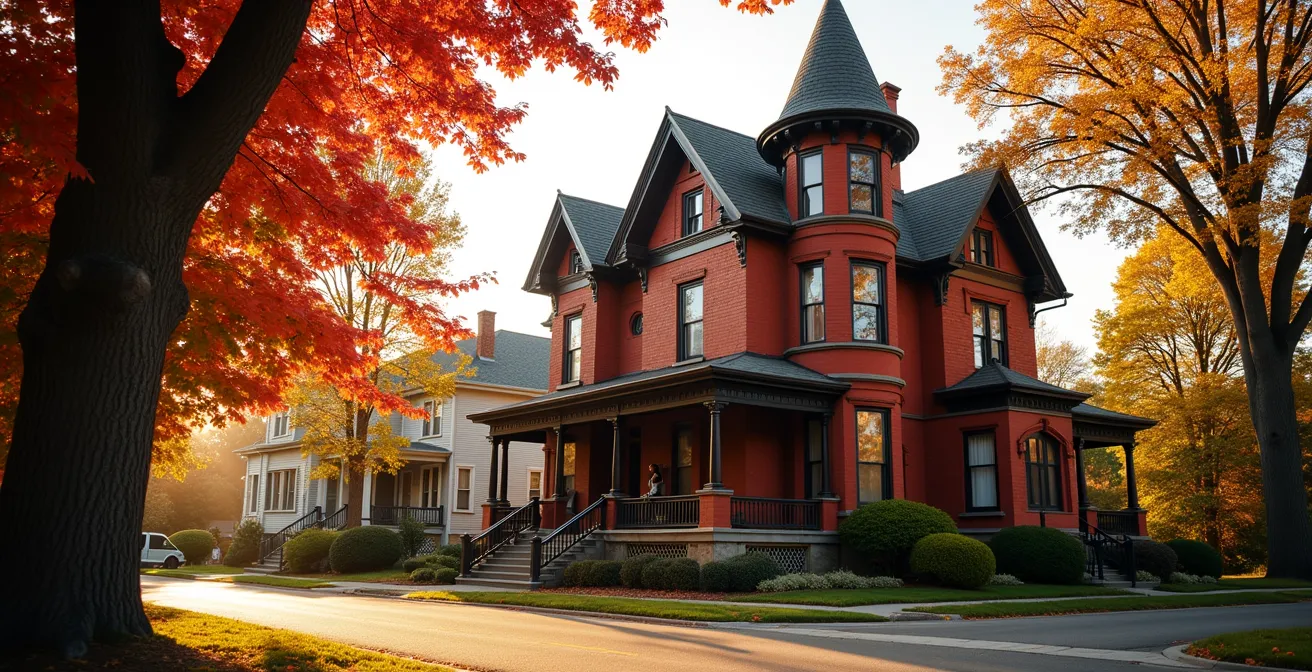
The high value of Ottawa’s red brick homes isn’t just about “character”; it’s a calculated financial premium driven by protected scarcity.
- Heritage designation acts as a value guarantee, preventing inconsistent development and preserving neighbourhood integrity.
- The original “Ottawa Red” brick is a finite resource, creating an economic model of fixed supply and rising demand.
Recommendation: Evaluate these properties not just as homes, but as managed heritage assets whose value is structurally supported by city-level preservation policies.
Potential homebuyers and architecture lovers often find themselves captivated by the warm, uniform glow of Ottawa’s heritage districts. From the stately avenues of The Glebe to the diplomatic poise of Sandy Hill, the city’s red brick homes exude a timeless appeal. The common wisdom attributes their high market value to simple “character” or a desirable location. While true, this explanation barely scratches the surface. It overlooks the powerful economic forces at play, treating the brick façade as a mere aesthetic choice rather than what it truly is: a core component of a sophisticated financial asset.
Most analyses stop at listing neighborhood amenities or mentioning the challenges of owning an older property. They fail to connect the dots between the material itself, its historical context, and the regulatory framework that governs it. The real story of this value is far more intricate. It’s a narrative woven from fire, policy, scarcity, and a shared understanding of what makes a neighbourhood last. To truly understand the price tag, we must move beyond curb appeal and deconstruct the unique “Heritage Value Proposition” that these homes represent.
This article will dissect the mechanisms that transform a simple building material into an architectural premium. We will explore why this brick is so prevalent, how its value is protected by stringent heritage rules, and where its finest examples can be found. By examining the structural realities, market dynamics, and lifestyle benefits, we will reveal why investing in an Ottawa red brick home is often a decision that pays dividends far beyond its aesthetic charm.
Summary: The Financial Anatomy of Ottawa’s Red Brick Real Estate
- Why Is Red Brick So Prevalent in Ottawa’s Historic Neighborhoods?
- How to Restore Victorian Masonry Without Violating Heritage Rules?
- Sandy Hill vs The Glebe: Which Red Brick District Has Better Vibes?
- The Foundation Issue That Plagues 100-Year-Old Brick Homes Here
- Where to Start Your Walking Tour to See the Best Victorian Facades?
- Why Housing Prices in Westboro Have Doubled in Ten Years?
- Westboro or The Glebe: Which Strip Offers Better Vegan Options?
- Which Ottawa Neighborhood Best Fits a Young Family’s Lifestyle?
Why Is Red Brick So Prevalent in Ottawa’s Historic Neighborhoods?
The sea of red that defines Ottawa’s oldest residential areas is no accident; it is a direct legacy of a catastrophic event and a deliberate move towards resilience. The Great Fire of 1900, which devastated vast swaths of the city, fundamentally shifted building practices. In its wake, wooden structures were replaced by fire-resistant materials, and the locally produced, clay-rich red brick emerged as the dominant choice. This wasn’t just a trend; it was a city-wide mandate for safety and permanence, establishing the iconic “Ottawa Red” that characterizes neighborhoods today.
The Canadian Mortgage and Housing Corporation (CMHC) further cemented this style by constructing thousands of identical red brick homes across various towns, creating a cohesive architectural language. While Victorian homes in The Glebe and Sandy Hill feature the classic two or three-story red brick facades, often with turrets and wraparound porches, they possess a distinct, more restrained character compared to their ornate American counterparts. This material authenticity is key to their value; we are not just looking at a color, but at a specific, historical material that is no longer produced on a mass scale. This creates a powerful dynamic of scarcity economics, where a finite supply of historic homes meets an ever-increasing demand from buyers seeking genuine heritage.
This prevalence goes beyond mere numbers. The uniformity of the brick creates a powerful sense of neighborhood integrity, where the value of one home is amplified by the cohesive beauty of the entire streetscape. Unlike modern subdivisions with disparate styles, these districts offer a visual harmony that is both rare and highly sought after. It’s this combination of historical significance and material scarcity that forms the first pillar of their high market value.
How to Restore Victorian Masonry Without Violating Heritage Rules?
Owning a piece of Ottawa’s history comes with the responsibility of preserving it. Restoring Victorian masonry is not a simple DIY project; it’s a regulated process designed to protect the very “Heritage Value Proposition” that underpins the property’s worth. Any work affecting the heritage attributes of a designated property, especially its brickwork, requires formal permission from the City. The city’s Heritage Planning Branch must be consulted before any work begins, and as recent City of Ottawa regulations show, a new fee schedule for Ontario Heritage Act applications was implemented on January 1, 2025, formalizing the process further.
The goal is to ensure that any restoration respects the building’s original materials and craftsmanship. This means avoiding modern, hard Portland cement mortars that can damage the soft, historic brick and instead using traditional, breathable lime-based mortars. All work must follow Parks Canada’s Standards and Guidelines for the Conservation of Historic Places, a document that serves as the bible for heritage restoration in the country. The process involves submitting detailed plans, a Statement of Significance outlining the property’s cultural value, and a description of restoration methods. This structured approach, while seemingly cumbersome, acts as a quality control mechanism that prevents disastrous “updates” and maintains the architectural premium of the entire district.
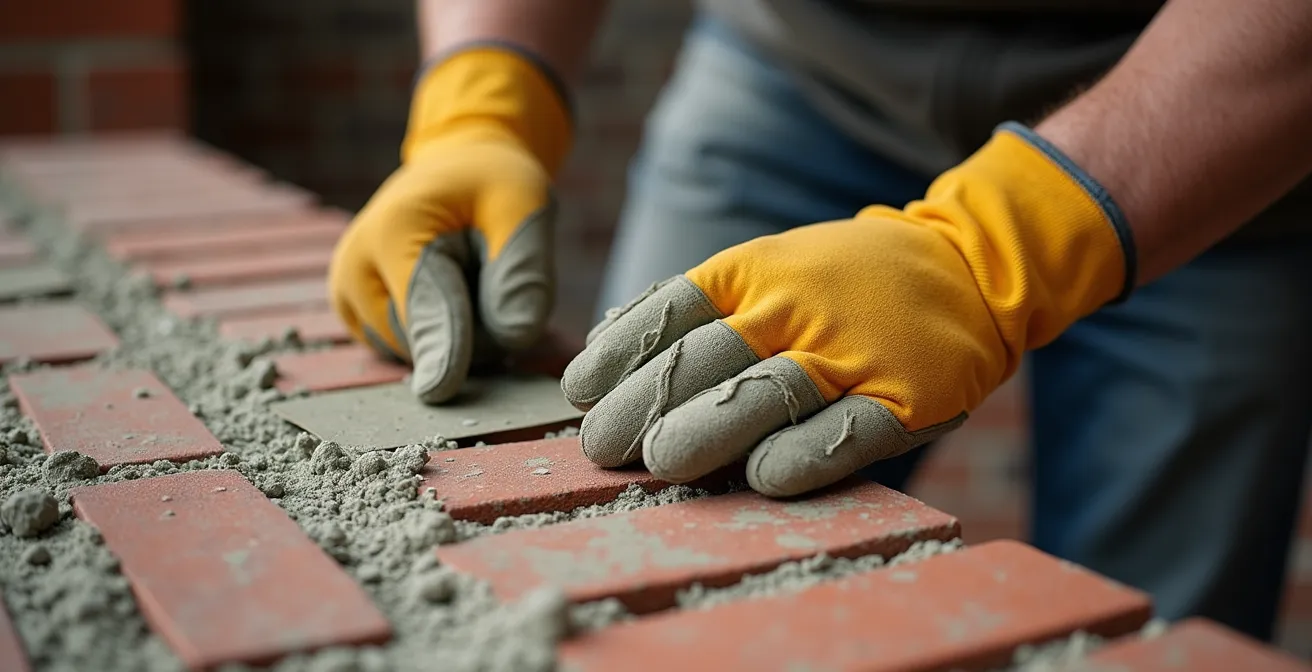
This careful stewardship is what separates a true heritage asset from just an old house. By enforcing these standards, the city ensures that the unique character and material authenticity of these homes are not diluted over time. For a homeowner, this means that while restoration requires careful planning, the result is a property whose value is protected and even enhanced by a shared commitment to preservation.
Your Heritage Restoration Checklist: Key Points to Verify
- Initial Contact: Consult with the City of Ottawa’s Heritage Planning Branch staff before starting any project that affects designated heritage attributes.
- Documentation: Prepare a Statement of Significance that clearly identifies the property’s cultural heritage value and a detailed description (written and visual) of the proposed alterations.
- Standards Adherence: Confirm your restoration plan and methods align with Parks Canada’s Standards and Guidelines for the Conservation of Historic Places.
- Methodology Approval: Ensure the proposed work is correctly defined as preservation, rehabilitation, or restoration according to national standards to qualify for permits.
- Material Sourcing: Verify that your contractor will use historically appropriate materials, such as breathable lime-based mortar for repointing, to avoid damaging the original brickwork.
Sandy Hill vs The Glebe: Which Red Brick District Has Better Vibes?
While both Sandy Hill and The Glebe are premier showcases of Ottawa’s red brick architecture, they offer distinctly different atmospheres, or “vibes,” shaped by their unique histories and residents. Choosing between them is less about which is “better” and more about which architectural narrative and community character resonates with a potential homeowner’s lifestyle. Sandy Hill, historically home to lumber barons and political figures, exudes a sense of formal grandeur. Its streets, particularly around the Wilbrod-Laurier area, are lined with stately Second Empire and Gothic Revival mansions that now often serve as embassies, giving the neighborhood a quiet, international dignity.
The Glebe, on the other hand, was developed for Ottawa’s burgeoning class of bankers, brokers, and senior civil servants. Its dominant styles, Queen Anne Revival and Edwardian, favour asymmetrical designs, charming turrets, and inviting verandas. As the Living in Ottawa Heritage Report notes, “The Glebe’s picturesque streets, lined with mature trees and adorned with heritage homes, paint a vivid picture of Ottawa’s past.” This character is amplified by its proximity to the commercial energy of Lansdowne Park and Bank Street, making it feel more like a lively, self-contained village within the city.
The table below breaks down the key architectural and character differences between these two iconic red brick districts.
| Feature | Sandy Hill | The Glebe |
|---|---|---|
| Dominant Style | Second Empire & Gothic Revival | Queen Anne Revival & Edwardian |
| Historical Residents | Lumber barons, politicians, diplomats | Bankers, brokers, federal civil servants |
| Architectural Features | Formal mansions, embassy residences | Asymmetrical homes with turrets, verandas |
| Current Character | Embassy Row quiet dignity | Lansdowne Park commercial energy |
| Notable Streets | Wilbrod-Laurier area | Clemow Avenue, Patterson Creek |
Ultimately, Sandy Hill appeals to those who appreciate stately elegance and a quieter, more formal environment, while The Glebe attracts those seeking a vibrant community feel with picturesque, family-oriented streetscapes. The choice reflects a preference in both lifestyle and architectural storytelling.
The Foundation Issue That Plagues 100-Year-Old Brick Homes Here
For all their charm and market appeal, century-old brick homes in Ottawa are not without their vulnerabilities. The most significant structural concern that any savvy buyer or agent must be aware of is the foundation. Built over a hundred years ago, many of these homes rest on foundations made of rubblestone held together by lime mortar. Over time, this mortar can degrade, and moisture penetration—a common issue in Ottawa’s climate of freeze-thaw cycles—can lead to shifting, cracking, and bowing. This is the single biggest “surprise” cost that can turn a dream heritage home into a financial nightmare if not properly assessed.
This is not a hidden secret; the City of Ottawa is well aware of these issues. Property standards officers often visit designated heritage properties to monitor their condition. However, the city’s approach is not just punitive; it’s also supportive. Recognizing that maintaining structural integrity is key to preserving heritage, the municipality has put in place programs to assist homeowners. The most important of these is the Heritage Grant Program for a Matching Contribution. This program provides crucial financial support for large-scale restoration projects, directly addressing the high costs associated with foundation work.
Case Study: The Heritage Grant Program in Action
Ottawa’s Heritage Grant Program offers significant financial relief for owners of designated properties. As detailed on the city’s website, grants can provide matching funds up to $35,000 for substantial projects on large-scale buildings, including critical structural improvements like foundation repair and masonry repointing. To qualify, a property must be designated under Part IV or Part V of the Ontario Heritage Act, and the owner must match the grant amount. This program effectively cuts the cost of major structural work in half, transforming a potentially prohibitive expense into a manageable investment in the property’s long-term value and stability. It’s a prime example of the city’s commitment to the Heritage Value Proposition: supporting owners to maintain the assets that define Ottawa’s character.
This proactive approach means that while foundation issues are a genuine risk, they are a manageable one. An informed buyer will factor a thorough foundation inspection into their due diligence and research the available grants, turning a potential liability into a calculated, and often subsidized, investment.
Where to Start Your Walking Tour to See the Best Victorian Facades?
The best way to truly appreciate the architectural premium of Ottawa’s red brick homes is to see them firsthand. A self-guided walking tour through The Glebe and Sandy Hill offers an immersive experience into the heart of the city’s heritage. Each neighborhood provides a distinct journey through different eras of Victorian and Edwardian design. To fully absorb the atmosphere, start in one area and dedicate enough time to wander its most significant streets, paying attention to details like decorative brickwork, rooflines, and the grand verandas that define the era.
For a tour focused on The Glebe’s quintessential Queen Anne Revival style, begin your walk at Patterson Creek. The homes overlooking this serene waterway are some of the most picturesque in the city. From there, meander along Clemow Avenue, which cuts through the historic Clemow Estate East Heritage Conservation District, known for its grand, beautifully preserved homes. The walk can conclude with a stroll down Bank Street, where the Victorian architecture transitions from residential to commercial, with many original storefronts still intact.

If the more formal, imposing mansions of Sandy Hill are what you seek, a different route is in order. Here are some suggested itineraries for both neighborhoods:
- Sandy Hill Route: Start at the Laurier House National Historic Site (335 Laurier Avenue East). Continue along Wilbrod Street to see the impressive Gothic Revival mansions built by Ottawa’s 19th-century lumber barons. Don’t miss a visit to the Besserer House at 149 Daly Avenue, recognized as the oldest house in Sandy Hill, dating back to 1844.
- The Glebe Route: Begin your tour at the scenic Patterson Creek to admire prime examples of Queen Anne Revival architecture. Walk the length of Clemow Avenue to experience the grandeur of the Clemow Estate District. Finish your tour on Bank Street to witness how Victorian design was adapted for a bustling commercial strip, ending near the historic Lansdowne Park.
Why Housing Prices in Westboro Have Doubled in Ten Years?
While the red brick districts hold a special place in Ottawa’s market, it’s crucial to view their value within the broader context of the city’s real estate boom. The rapid appreciation seen in a neighborhood like Westboro, where prices have soared, provides a powerful baseline. Westboro’s growth has been fueled by a different set of factors: a surge in new developments, a trendy commercial strip on Richmond Road, and its appeal to young professionals seeking modern amenities and a vibrant, walkable lifestyle. Its housing stock is a mix of post-war homes, modern infills, and new condos, a stark contrast to the historical uniformity of The Glebe.
The entire Ottawa market has experienced significant growth. However, the drivers in Westboro are more tied to newness and trendiness, whereas the value in heritage districts is anchored in scarcity and permanence. Data from the Canadian Real Estate Association confirms the market’s heat, noting that in September 2025, Ottawa saw the largest number of new residential listings for that month in its history, a 19.3% increase from the previous year. This influx of inventory has helped create more balanced conditions city-wide, but it primarily affects the market for standard or modern homes.
The key takeaway for a heritage property investor is this: while the general market, exemplified by Westboro, can be subject to cycles of new supply and shifting trends, the value of a Queen Anne home in The Glebe is insulated by its fixed supply. You cannot build more 120-year-old red brick homes. Therefore, as the rest of the city’s market rises, the architectural premium on these irreplaceable heritage assets tends to grow even faster. The doubling of prices in Westboro isn’t a threat to the value of red brick homes; it’s the tide that lifts all boats, but the heritage boat, being rarer, often rises highest.
Westboro or The Glebe: Which Strip Offers Better Vegan Options?
A neighborhood’s value is increasingly tied to its lifestyle offerings, and the culinary scene is a major component. When comparing the main commercial strips of Westboro (Richmond Road) and The Glebe (Bank Street), both offer a fantastic quality of life, but they cater to slightly different tastes, including dietary preferences like veganism. The Glebe, anchored by the historic Lansdowne Park and its famous farmers’ market, has a character built on long-standing community favorites and access to fresh, local produce. Its restaurant scene includes established eateries that have adapted to modern tastes, often featuring reliable vegan dishes on their menus. The presence of the Lansdowne Farmers’ Market gives residents direct access to producers, a huge plus for anyone focused on plant-based eating.
Westboro, by contrast, leans more towards trend-focused, modern culinary concepts. Richmond Road is lined with newer establishments, high-end boutiques, and specialty food shops like Farm Boy. This environment fosters a dynamic restaurant scene where new, often niche, eateries pop up frequently. For a vegan diner, this can mean more dedicated vegan restaurants or innovative, plant-forward menus that are part of the latest culinary trends. While The Glebe offers consistency and a community feel, Westboro may offer more cutting-edge variety for those seeking the latest in vegan cuisine.
The choice between the two depends on what a resident values most in their food scene, as highlighted in the comparison below.
| Aspect | Westboro (Richmond Road) | The Glebe (Bank Street) |
|---|---|---|
| Commercial Character | High-end boutiques, newer establishments | Historic Lansdowne Park, established shops |
| Restaurant Scene | Trend-focused, modern concepts | Long-standing community favorites |
| Market Access | Specialty food shops, Farm Boy | Lansdowne Farmers’ Market |
| Walkability | Linear strip along Richmond Road | Concentrated around Bank Street |
For a vegan foodie, The Glebe offers a deep-rooted, market-to-table experience, while Westboro provides a more dynamic and trend-driven culinary adventure. Both affirm their status as top-tier lifestyle destinations within Ottawa.
Key takeaways
- The high value of Ottawa’s red brick homes is not just aesthetic; it’s a financial premium driven by historical scarcity and protected heritage status.
- Restoration is a regulated process that, while demanding, ultimately safeguards and enhances the property’s long-term value.
- Heritage Conservation Districts like The Glebe and Sandy Hill offer unique lifestyle benefits, balancing historical character with modern family needs, which further boosts their desirability.
Which Ottawa Neighborhood Best Fits a Young Family’s Lifestyle?
Ultimately, the decision of where to live extends beyond architecture and market data; it’s about finding a place to build a life. For a young family, Ottawa’s heritage districts, particularly The Glebe, offer a compelling and unique proposition that balances historical charm with the practical needs of modern family living. While newer areas may offer larger homes for the money, they often lack the sense of community, walkability, and established character that define a neighborhood like The Glebe. It’s a place where kids can walk to school past mature trees and homes with history, creating a rich and stable environment.
As heritage real estate expert Peter Twolan notes, “The Glebe offers a lively atmosphere with its array of shops, restaurants, and markets, notably the historic Lansdowne Park which hosts farmers’ markets, cultural events, and sporting fixtures.” This integration of community life is a powerful draw. Furthermore, Heritage Conservation Districts are, by their very nature, family-friendly. City guidelines ensure architectural coherence, protect the mature tree canopy that provides shade for summer strolls, and foster active community associations that advocate for residents’ interests. These are not just “old” neighborhoods; they are communities where the past is actively curated to enhance the present.
The Glebe offers a lively atmosphere with its array of shops, restaurants, and markets, notably the historic Lansdowne Park which hosts farmers’ markets, cultural events, and sporting fixtures
– Peter Twolan, Living in Ottawa Heritage Neighborhoods Guide
For a young family, choosing a red brick home in The Glebe is an investment in more than just real estate. It’s an investment in a walkable lifestyle, a vibrant community, and a sense of place that is increasingly rare in a world of generic suburbs. The architectural premium paid is not just for brick and mortar, but for access to this complete, enriching environment.
Choosing a home in one of Ottawa’s heritage districts is a decision that balances heart and head. By understanding the powerful economic and cultural forces that underpin the value of these red brick properties, you are not just buying a house—you are becoming a steward of a finite and cherished piece of the city’s history.